Followed by the usual weekend nonsense; Superb Owl and other topics.
God is playing with us. It’s a mistake to be too serious.
Moth Moon by Matt Jasper- available on Amazon here–
click thumbnails below for bigger pictures of the front and back.
Matt sent me one of these over a year ago and asked me to read it. I lost track of it. Then he sent another one this week- I am really impressed. I should have read it before.
I don’t read a lot of poetry but I will recommend this to everyone I know. It helps that most of the people I know have some sort of mental illness.
This book speaks to me. Or it whispers. Or is using sign language. Or it is raving. Hell, I don’t know anything anymore.
Don’t get this book unless you want to see what’s behind the curtain. Then, dance as though no one who can have you committed is watching.
Below: public art by Norm Magnussen- The I-75 Project
About the project, Magnusson writes:
…unlike most artworks on social or political themes, these markers don’t merely speak to the small group of viewers that seek out such work in galleries and museums; instead, they gently insert themselves into the public realm. ”Are they real?” is a question viewers frequently ask, meaning “are they state-sponsored?” I love this confusion and hope to slip a message in while people are mulling it over.
These markers are just the kind of public art I really enjoy: gently assertive and non-confrontational, firmly thought-provoking and pretty to look at and just a little bit subversive.
Don Waisanen, in his article here, concludes:
That the project is as much about the use of wide-open public spaces as it is about the carefully crafted messages speaks volumes about how innovation may best work in our age. With so little room to communicate messages of social conscience in our message-dense environment, these signs are apt demonstrations of how to pick and choose a context for sociological critique.
below- poet Diane Wakoski-
“I have had to learn to live with my face”
Bye bye for now, stay happy (unless that’s not on your list today).
I thought last week would be easy. I expected a quiet workplace with most activities on hold and many people (including my supervisor) gone.
Not to be. Life comes at you fast. Best to slow it down from the inside, the outside not being reliable.
I guess the most shocking thing was that someone killed themselves. Someone I knew. Someone I had seen earlier in that same day. Someone who appeared to be in a better mood than usual.
It isn’t like this is an odd occurrence here. It’s happened a couple times before since I’ve been working here. It’s still very hard on people. I spent a lot of time hanging out with folks who were especially effected. Mostly just being available. Some wanted to talk, some wanted to sit next to someone who understood.
The effects were not contained just within the ward where the suicide happened. Lots of people knew the woman. She’s been there awhile. She’s wanted to die for as long as anyone remembers.
The building where it happened. Top floor, Unit 50 I.
Another event, a much better one, came at midweek; also unexpected. On Monday I met someone who was new- that is new to the environment where I work. They found themselves locked up through December and their landlord sent a letter saying that they were throwing out her stuff, cleaning out her room and… well, tough luck landing in psychiatric prison.
I was able to take a state car up to Portland and along with a very nice nurse we went through the garbage in the compactor room and saved, retrieved much of her stuff. Probably the unit staff will throw most of it out but we got her some clothes, some personal papers and many many technical manuals in English and Chinese. We did not find some of the papers she wanted- her citizenship documents.
In the new hospital there will not be any real storage room to speak of. An oversight, I guess. But it means that people admitted here will basically lose everything.
Enough about work. There were several good moments and many useful ones.
Some of What I’ve Been Thinking
The wave of fear has strong momentum but if you stop pushing it, it subsides. So maybe I don’t need to worry about fear, although it’s hold on me still scares me 😉 -It dies of starvation when I’m done feeding it.
My most intrusive fears have to do with my sense of self-worth. I’ve a sneaking suspicion that I’m not okay- not adequate, not acceptable. It comes out in interpersonal communication when somebody is angry with me or thinks the worst of me. Not always, just sometimes. I’m trying to be aware- this seems to help. When I see what it is I can stop pushing the wave.
I half know my connection with everything. I say “half” because I notice it only intermittently and I’m often completely oblivious. When I look, it emerges from the edges of my self-perception- my wholeness withing the world is made real through the very same spaces/ surfaces/ thoughts that separate me. For example: My skin would seem to be both my boundary and my bridge to the world. Same thing for eyes/ vision, sound, speech, breath… I can’t really speak this adequately so it’s time to stop.
“I felt a suddenness.”
Maybe I’m not done- I am falling slowly through an intangible screen. The screen is the surface upon which the movie of time is being played/ shown. Behind the screen is the light, the projector that creates the illusion of movement, shape and everything else that can be named- the movie. As I am passing through the screen, the projector, the light and … it all disappears.
Once, following a particularly high meditative state, I found that I could not look at anything, any separate thing, without losing myself in oneness with the Big Picture. Then I would find there was no picture at all. I would lose any awareness of self and regain self-consciousness much later. Then I would look at something again, or have a thought, or breathe- and it would start all over again. Sometimes I am still passing through that screen, or just about to- clumsily- falling into reality as though by tripping over my shoelaces.
How things work- from various sources
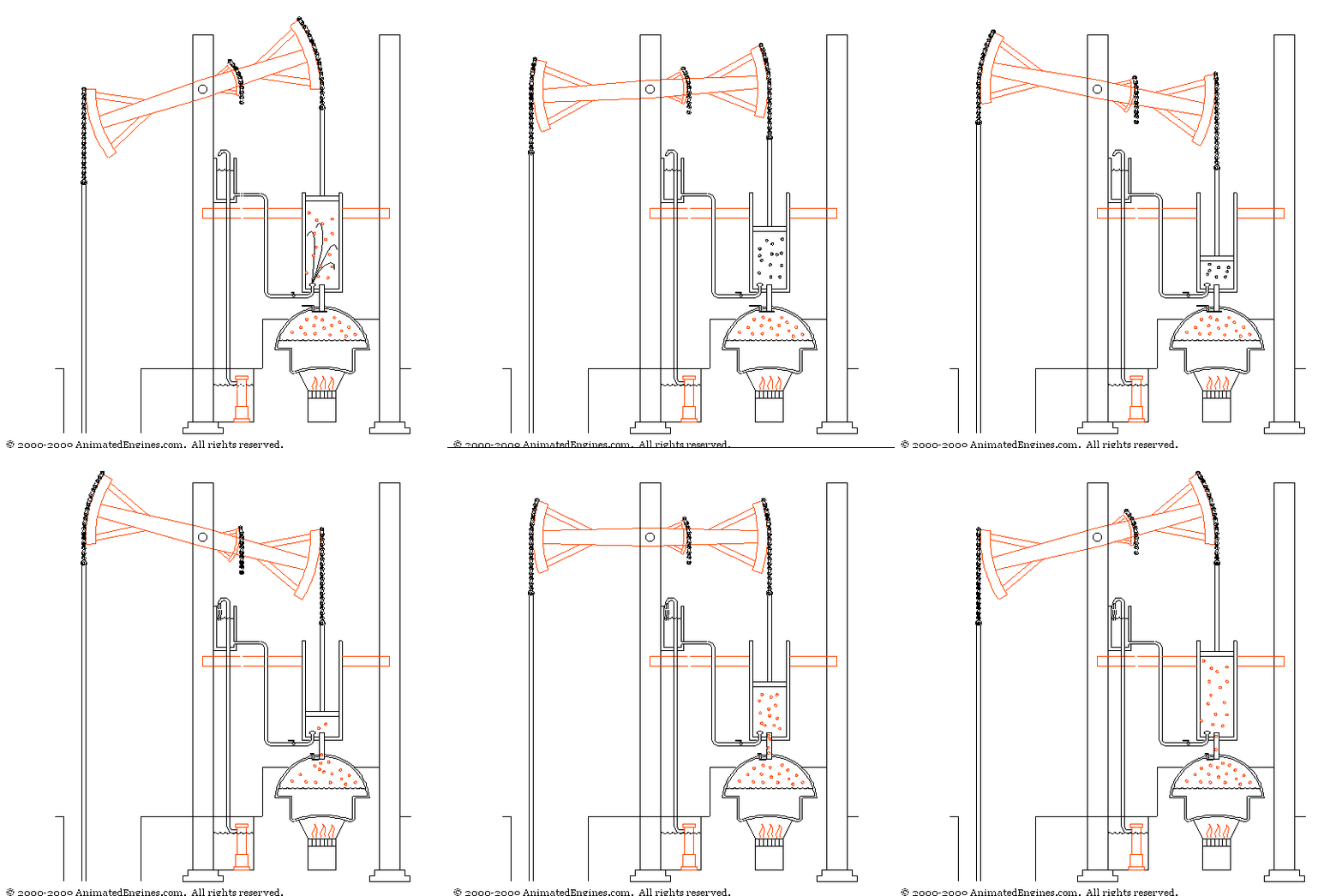
(click if it doesn’t animate automatically)
Newcomen Engine
Wikipedia says: The atmospheric engine invented by Thomas Newcomen in 1712, today referred to as a Newcomen steam engine (or simply Newcomen engine), was the first practical device to harness the power of steam to produce mechanical work. Newcomen engines were used throughout Britain and Europe, principally to pump water out ofmines, starting in the early 18th century. James Watt‘s later engine was an improved version. Although Watt is far more famous today, Newcomen rightly deserves the first credit for the widespread introduction of steam power.
Stirling Engine
“Air in the engine is cyclically heated (by an alcohol burner) and expands to push the power piston (shown in blue) to the right. As the power piston moves to the right, the yellow linkage forces the loose-fitting, red “piston” (on the left half of the machine) to displace air to the cooler side of the engine. The air on the cool side loses heat to the outside world and contracts, pulling the blue piston to the left. The air is again displaced, sending it back to the hotter region of the engine, and the cycle repeats.
The Stirling engine cycle can also be used “in reverse”, to convert rotating motion into a temperature differential (and thus provide refrigeration).”
Stirlings can be made inexpensively, are robust, and can use a variety of fuel sources, such as animal dung, which makes them valuable for areas which lack forests or other common fuel sources.
-description by beatnik
Wankel Engine
A pretty high revving engine, but the low compression ratio meant stinky efficiency. Even in racing, better fuel efficiency means you don’t stop for fuel as often. (larryrose11)
“a lot of the issues people associate with wankels have been pretty well suppressed or solved entirely in the current generation (renesis), but you still can’t park an RX8 on grass, and they do still need a bit of special treatment.” (Akaishi)
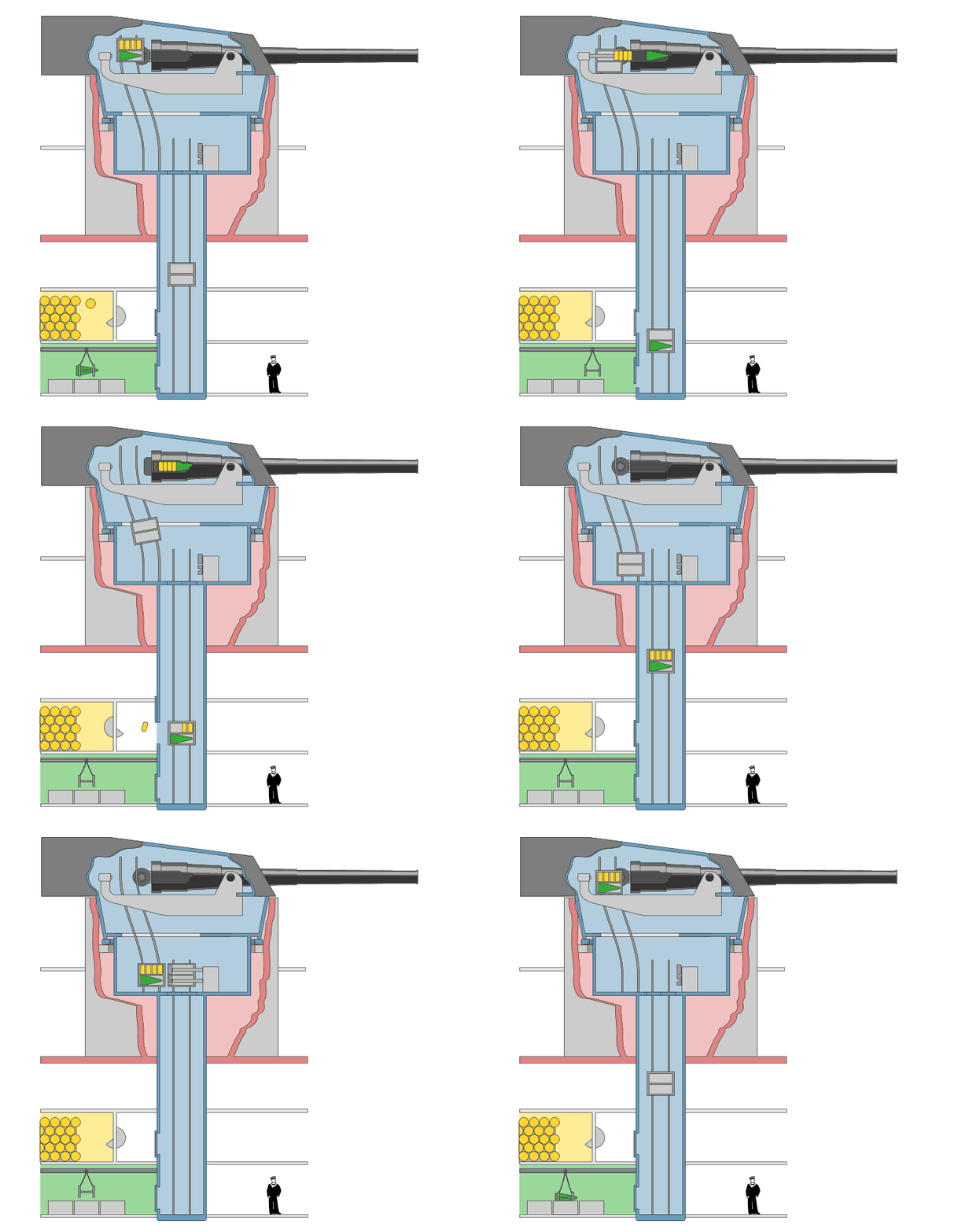
Above: Torpedo- boat destroyer system- Also how Transformers poop.
Constant Velocity (CV) Joint. They’re in pretty much every front wheel drive car. This is a very simplified diagram of how a CV joint works- the real thing is hella durable.
Manual Transmission Mechanism- Wikipedia says: ”
A manual transmission, also known as a manual gearbox or standard transmission (informally, a “manual”, “straight shift”, “stick (shift)”, or “straight drive”) is a type of transmission used in motor vehicle applications. It generally uses a driver-operated clutch, typically operated by a pedal or lever, for regulating torque transfer from the internal combustion engine to the transmission, and a gear stick, either operated by hand (as in a car) or by foot (as on a motorcycle).
I have always wondered how this worked. This is so cool.
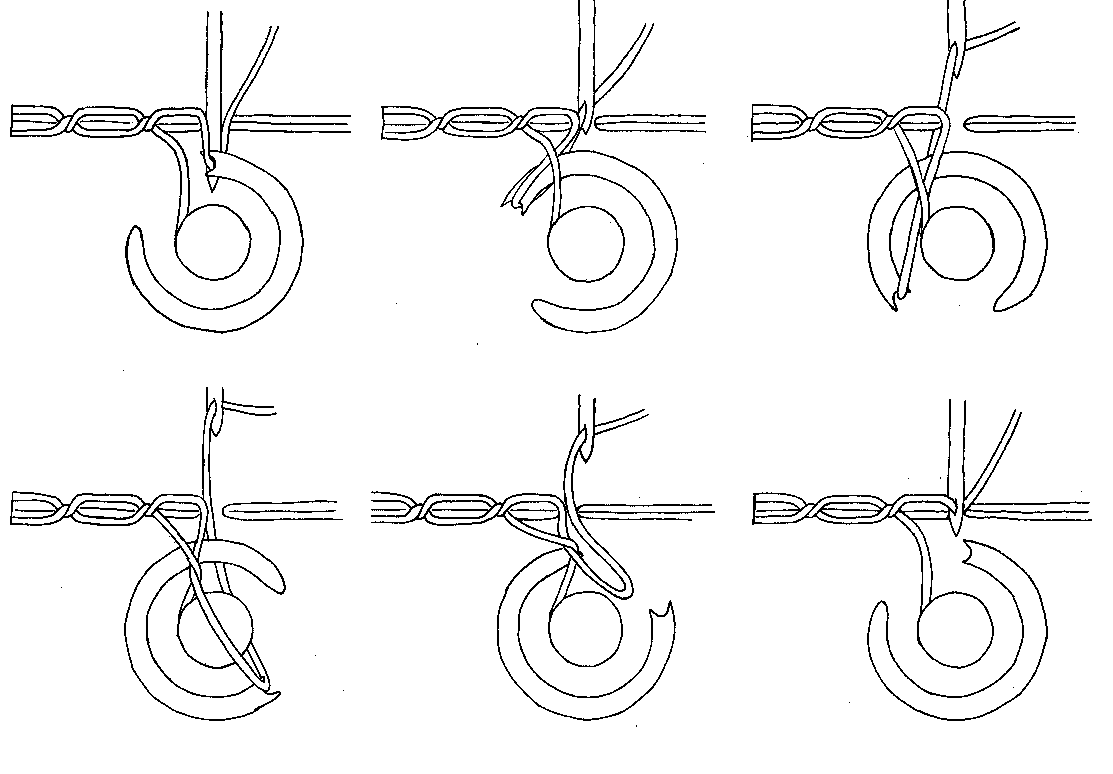
Reciprocating movements
Radial Engine
Comments:
“it doesn’t get better when you realize there were versions of this where the driveshaft was hard-mounted to the plane and the propeller was bolted to the crank case.”
“Radials don’t leak oil they mark their territory. A little contancorous but so sooo nice!”
“Some of the finest piston engines ever built were radials. Perhaps most notably the Pratt & Whitney R-2800, without which, it can easily be argued, the Allies would have lost the air war in the Pacific.”
blandoon sez: “I would agree with that assessment – from what I hear, there are only a handful of shops left, at most, that can overhaul something like an R-3350 (Anderson Airmotive is the one I know of).
The R-3350 in particular has always been a troubled beast, because it was pushed into wartime service when not altogether ready (primarily to power the B-29), and it had a long and painful early life before it became something close to reliable. But it has never been as dependable as its smaller, older stepbrother, the R-2800. From what I understand this is why there are a good number of Pratt-powered Douglas DC-6s left, but almost no DC-7s – they used the Wright engine, and were discarded almost as soon as jets became available.
FIFI, the only remaining flyable B-29, had its four early-model 3350s replaced with later units that are not authentic to the airplane, but were custom-built (by the aforementioned Anderson Airmotive) out of a hybrid of different later-model parts, with custom engine mounts and exhaust and so forth. It cost something like $4 million to do this, but otherwise it would have been impossible to get the airplane reliable enough to tour the airshow circuit.”
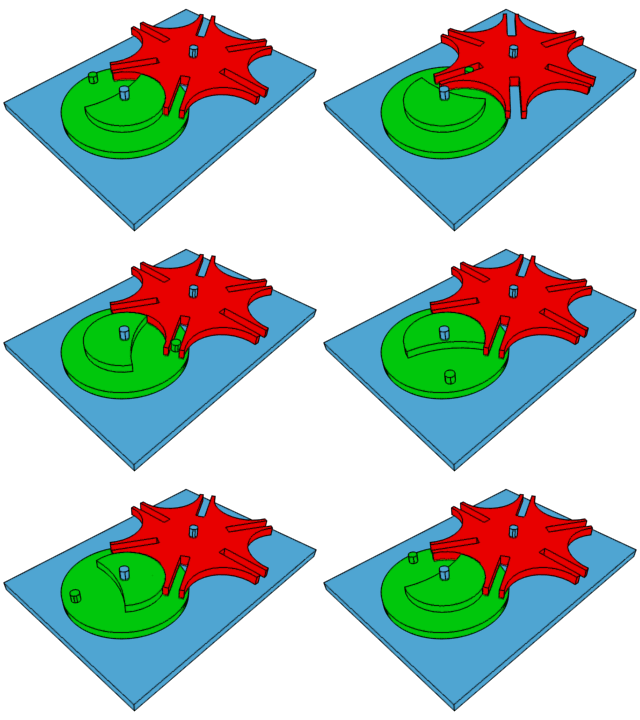
Maltese Cross Mechanism
Comment: “Nicholson Baker wrote a fantastic essay about the Maltese Cross mechanism and its use in film projectors/cameras in his book The Size of Thoughts.” -vidiot
Unrelated, so far
Goopy New Year!
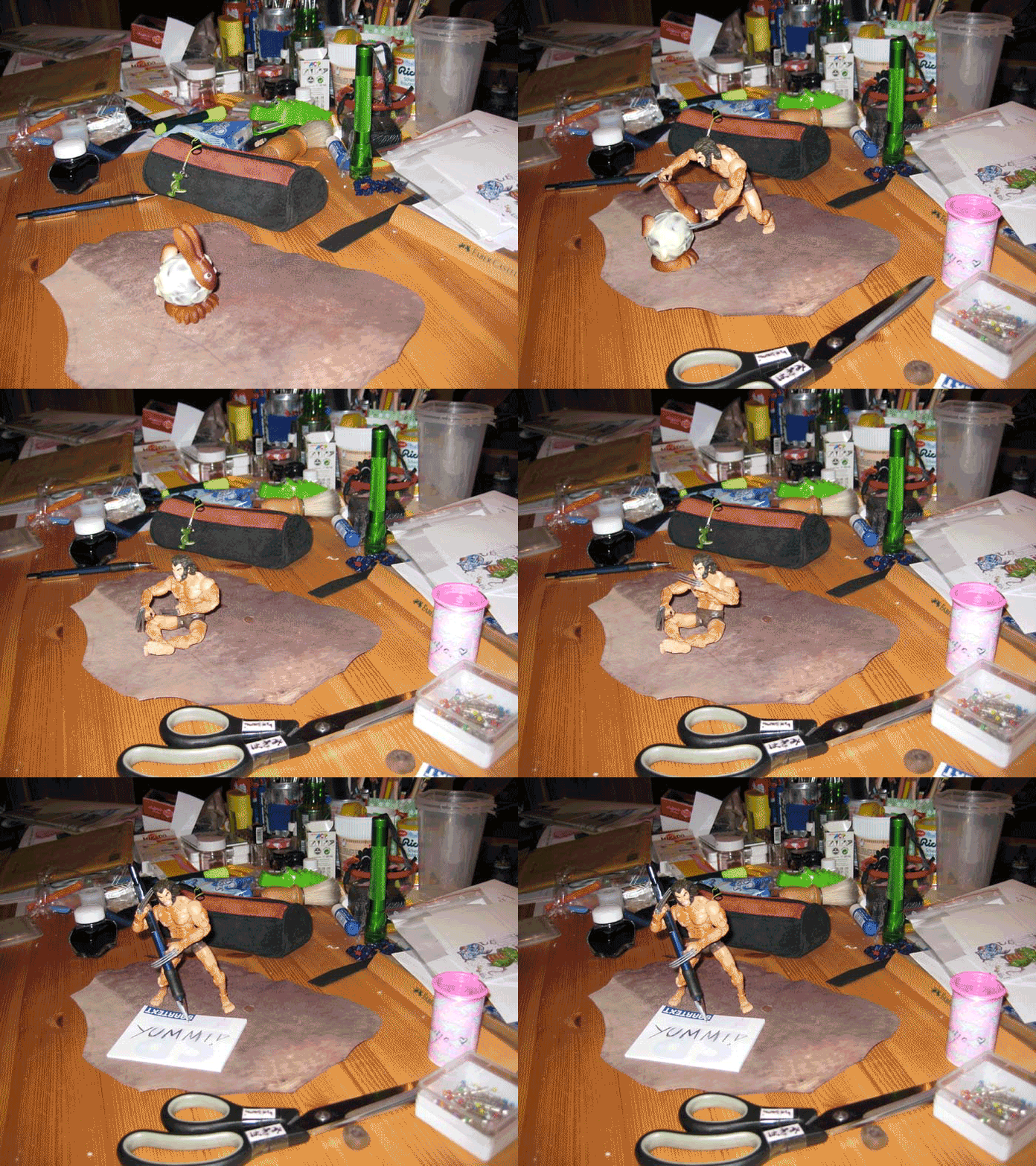
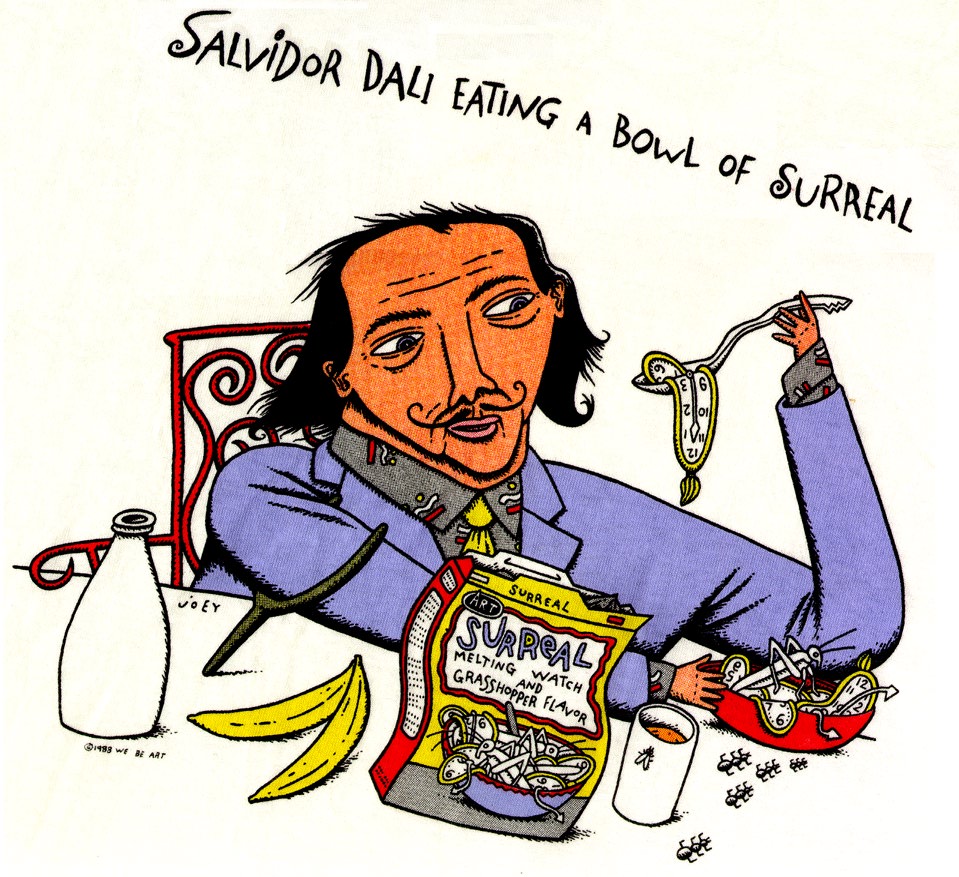
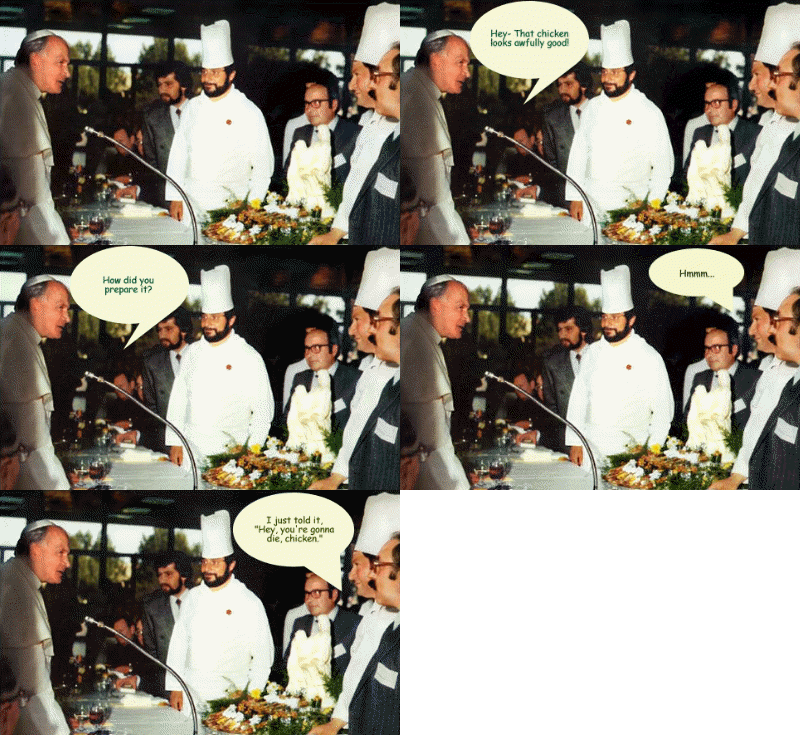
Click the pictures below for full size-
Space
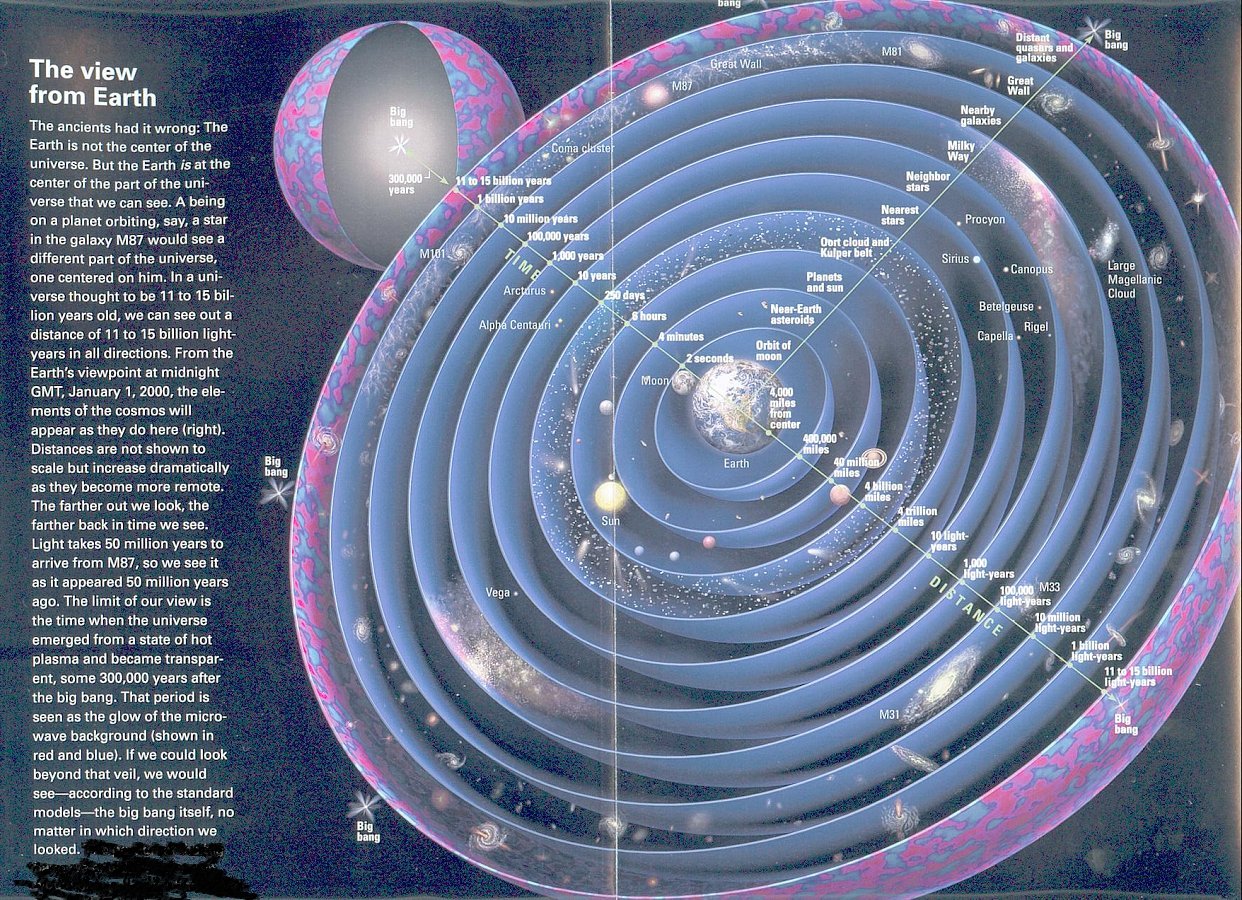
Some pictures I’ve found. Click for full size these are big.
























































































































































































 moon soup