Category Archives: pictures

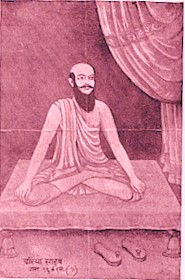
Mostly Prahlad Chandra Brahmacharya, no funny business

This is a large picture- click for full size

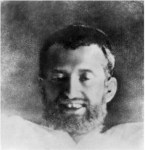
This widely recognized spiritual master lived from 1902 to 1982. As is the case with some extraordinary yogis, Prahlad Chandra was never a disciple of any earthly/ external master or guru. [Several others who fit in this category are described on other pages/ posts on this blog, especially on the “This Here” tab above.] An interesting thing about  PCB is that he received all of his instructions in yoga from the goddess Kali in dreams and trances. There is a website devoted to his life and teachings here.
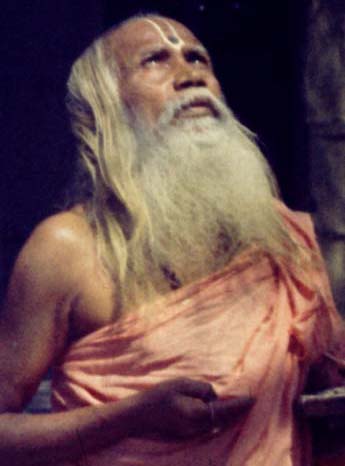
The following biography comes from Offering Flowers, Feeding Skulls:
Popular Goddess Worship in West Bengal 

J. McDaniel, (Oxford University Press, 2004)

Prahlad Chandra Brahmachari was a renunciant devotee of the goddess Kali, who was subject to trance states and visions throughout his life. He spent his later years as a Kali priest in Ramnathpur, West Bengal, having large goddess worship celebrations which attracted thousands of visitors.

He was born into a poor Brahman family in Orissa, somewhere between 1900 and 1910 (the date is uncertain). He was one of five brothers, none of whom ever attended school. His father would spend time in meditation, and sing to Rama. The family lived on land which could grow rice only for four or five months during the year, and the rest of the year was a time of semi-starvation for the family. Occasionally his father might act as a priest, and receive a small amount of money. The children had rickets and malnutrition, subsisting during the lean months on one meal a day of bread made from grass roots.

One day, Prahlad stole some green mangos from a neighbor’s tree, and brought them to his mother as food for the family. When his father found out later, he was furious, and started hitting the child with an axe. Prahlad ran away bleeding, covering the wounds with grass.

He ran off into the woods, and travelled at random until he passed out from weakness. He awoke to see a sannyasi (monk) before him, smiling and compassionate. The sannyasi gave him some flat bread to eat, and touched his wounds with a log of wood. After that touch, the pain disappeared. Prahlad kept that log with him throughout his life. Then the sannyasi searched for a kind of leaf with a tough stem, and grabbed Prahlad’s tongue and wrote lines on it with the leaf. He etched the lines so hard that Prahlad’s tongue bled, and his “senses were lost,” as Prahlad went into a state of trance.

He regained consciousness at sunrise, and the sannyasi was gone. He could only see the remnants of a ritual fire (dhuni) and some coins. He considered his survival of his father’s beating to be a new chance at life. He rode the train in rags to Howrah station, and lived in Calcutta on the banks of the Ganges for several years, sleeping on burlap sacks. He survived in a variety of ways, first by begging, and then by acting as a wandering Kali priest with a picture of the goddess hung around his neck. He would visit shopkeepers and bless them with the goddess’ image, and they would give him a few pennies.

Sometimes he would work as a servant, a dishwasher, or a sweeper, ignoring the caste of the people for whom he worked. He was unhappy at these jobs, but at night he received instructions on yoga in his dreams from the goddess Kali.
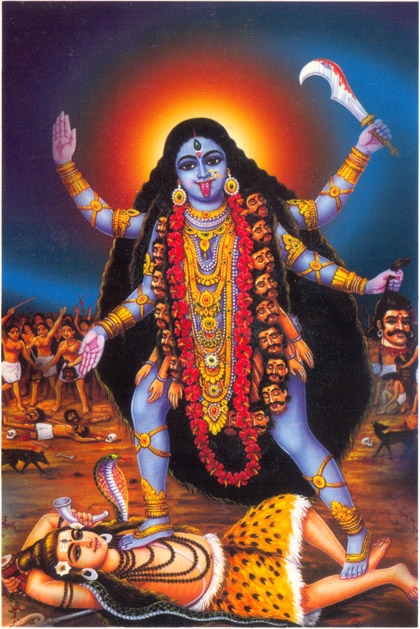
During the day, he would contemplate these dreams and fall into trance states. This made him a poor worker, and he was often condemned by his employers. However, he did save some money, and decided to visit his parents after a gap of several years. His youngest brother had died, and his father took the money to renovate the family worship room. He continued to have visits from the goddess in his dreams, and she gave him instructions in meditation and hatha yoga. She told him to leave the household again, and he did so.

He returned to Calcutta, and first took a job as a servant, and then as a wandering priest. The goddess continued her yogic dream instructions, and he perfected his yoga postures, staying in one position for the whole night. Accompanying these practices were states of bliss. He had kept the sannyasi’s log of wood, and the goddess told him in a dream command to chew it. He would scrape off small pieces of the log to chew, and he would start having visions. He could hear verses from the sacred books of India, and see pages written in gold letters. When a person stood before him, Prahlad could “read his heart,” and know the person’s innermost secrets. He gained an ability to tell the future, and took up a new career as an astrologer. While people had looked down upon him previously for being ignorant, now they would call him anxiously to tell their futures, and his predictions were generally accurate.

He continued his nightly yogic exercises, seeing himself as a tool in the goddess’ hands. He continued chewing splinters from the log, and he lost track of time, with “tidal waves” of Sanskrit coming out of his mouth without forethought, in the form of hymns from the Hindu holy books (Vedas and Puranas). He would see visions of light before him, and lose track of his surroundings.

At the age of twenty-four years he attended a funeral ceremony (shraddha) in Hooghly district, where his abilities to predict the future made him a valued guest. His hosts insisted that he continue his visit. He did a large number of predictions, and many people with diseases and legal problems came to speak with him. He underwent mood swings and would often enter into depressions, but he felt that he was following Kali’s will. He acted briefly as priest in a small Kali temple nearby, but upset the villagers there by offering the goddess cooked food. They came en masse to threaten his host, and Prahlad was forced out of the house in which he was staying.

He wandered out and eventually sat beneath a large tamarind tree, in an open space with bushes and thorns. The goddess came to him in a vision, and told him that he should not spend his life with householders, but should create his own space. She said that he would have the barren land on which he sat. The next day, the owner of that land gave him permission to build a small ashram there, and he determined to settle there in Ramnathpur. He spent the next four years in meditation, often at a nearby burning ground. He found it frightening, but went there because it was the Mother’s command.

When he had extra money, he mailed it to his parents, and they sent back a demand: Prahlad must marry. His father had chosen a girl, and told his son to marry her. Prahlad returned to Orissa to argue with them, but they were unwilling to listen to him. He went into a single yogic position (asana) and trance state for four days and nights, and returned to normal consciousness with indifference towards his potential bride and his family. He explained again his unwillingness to marry, and his view of all women as only embodiments of the Divine Mother. He then left the house silently, and disappeared off into the woods. He took a formal vow of renunciation, and put on the clothes of a sannyasi.

He returned to Ramnathpur, and again started doing yogic practice at night. During the day, he would do ritual worship for the villagers and foretell the future. Every new moon, he worshiped the goddess at the burning ground. On one new moon in February, the villagers insisted upon following Prahlad to witness his ritual offering to Ratanty Kali. About fifteen people came, bearing lights and long sticks (lathis). Prahlad took a sharp knife and cut his arm, to offer his blood at the Mother’s feet. The wind whistled, and a storm came up, blowing out the lights and frightening the villagers so that they ran away. Outside the burning ghat the weather was quiet, and the villagers then returned. They found the altar blown over, and Prahlad unconscious and lying in a pit. They sprinkled his face with Ganges water to awaken him. During the storm he had had a vision of the goddess as infinite light, and he had been absorbed into the Mother’s spirit.

About three years after his sudden exit from the wedding, another message came from his parents: Prahlad must return, because his father was dying. He went to his parent’s house, and fulfilled his father’s last wishes, and he gained his father’s blessings. Among other requests, his father told him that he must not neglect the worship of the family deity Rama, even if Kali was his special goddess. After his father’s death, Prahlad was grief-stricken, and roamed through South India as a beggar for a month. He then returned to Ramnathpur.

When he came back to the village, two men asked for initiation from him as their guru. He also became the guru for their families. He then initiated many other people. When he entered a house, the villagers would offer him fruits and sweets, and wash his feet. However, the villagers would go through periods of doubt, and once they condemned Prahlad as a false monk, saying that they would only believe him if he could stay in his room without food or water for seven days. He went into the dark room, and knelt down before the statue of Kali, who filled the room with light. She came in visionary form and took Prahlad onto her lap, and he felt that their souls merged for seven days. He did not eat, drink, or leave the room during that week, until the trance ended at the appropriate time. It was his last trial by the villagers at Ramnathpur.

He had a variety of places where he would meditate. Often he would spend time in contemplation within a hollowed-out tree. He also had a meditation hut on a raised area between some rice and pan fields. Buried under the floor of this hut were five skulls, and he would sit over these skulls. The room also had a trident and an omkar (Sanskrit letter OM) painted on the wall. Later there were pictures of deities, and stick figures on the wall, and a large altar with a picture of a blue Kali. He warned others that this room had great power, and that it would be dangerous for others to live there. Apparently one person stayed in this hut while Prahlad was on a pilgrimage, and this visitor died after a few days there of snakebite. It is still said that the goddess Kali speaks to people who enter the hut.

Prahlad called himself a kite in the hands of Kali, which she keeps whirling. She is infinite light, showing herself as a candle, or as the soothing morning sun, or the violent and scorching sun at noon. He followed her will in practicing yoga and meditation at Ramnathpur ashram for over fifty years. He would offer Kali blood on new-moon night, when he would slit his wrists, and his disciples would hear him moan and gasp. He was often asked for boons by his disciples, especially for healing and for children, and for predicting the future. He had a coconut marked with red sindur powder and a long tongue, which he called Old Mother or Ancestress (Budi Ma). He performed rituals to Old Mother each day, when he chanted mantras and did his ritual fire sacrifice. When visitors would ask him to do things for them, he would ask Old Mother’s opinion. He would put a flower on top of the coconut, and if it remained there, he would agree to the request. If it fell, he would not accede to the request.

Prahlad gained disciples outside of West Bengal in his later life, including ones from the USA. In India he had a core group of about forty disciples, though he initiated large numbers of people (he looked for various physical signs, such as a sharply pointed tongue, which was the sign of a Kali devotee). Some Western disciples came to India and brought him to Brooklyn on several occasions. He would fall into trance states frequently there, becoming the child Krishna, the goddess, and the warrior Arjuna (among other roles), and he would perform fire sacrifices (homa fires) and pujas (ritual worship). He knew no English, and refused to touch money, living the life of a renunciant Kali priest as well as he could in a New York brownstone building.

He spoke to his Bengali devotees about prayer to the Mother:
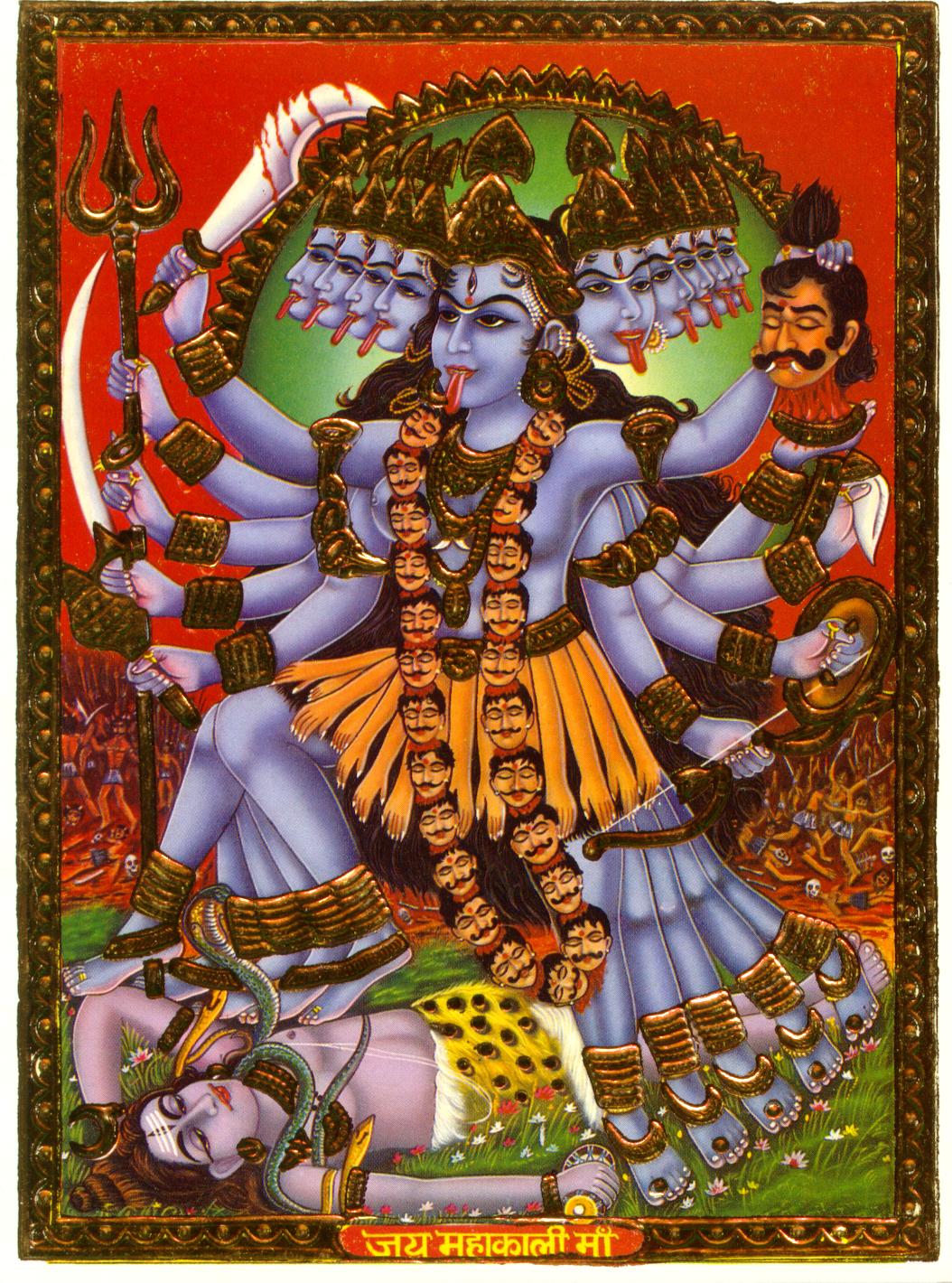
This is a very large picture- click for full size

You must always pray to the Mother. It is Mother who takes you on her lap. She is my god, Mahamaya, the great Kundalini Shakti. You have to wake Her first, and pray to Her first. That is why our worship of the Mother must come first. Because who is he who is my Father? Only the Mother knows. She will take me to him in her arms. If you can wake up Mahamaya, that great power in the sushumna, in the thousand petalled lotus, then you will drink nectar.. this is why I perform the Homa fire before her… Mother is the provider; without the mother, there is no father. When the Mother takes me in her lap, she will merge me with brahman. Mother knows my father’s name, and my caste, and she knows the path to infinity. Without Mother, one cannot find that impossible path.

The goddess is reflected in human women, and also in statues:

You must first pray to the outer mother, only then can you gain the Mother within. It is like seeing your face in mirror. You must see the outer image, so that you can know what you look like… Ma is in many places. Once when I was defecating, I was digging with a stick, and a small statue appeared. The goddess within it spoke to me, and she said, “I am Anandamayi.” I took it back and cleaned it very well, and it shone like gold. Some robbers saw it and thought it was real gold, and they took it away. I began to cry, and the Mother came and said to me, “Let the statue go. Have no fear. They have only taken my outer form. The statue which is established inside you is still there, the robbers have not been able to take it.”

According to his disciples and to people who knew him, he had a variety of psychic powers, especially the abilities to induce visions and to communicate at a distance. As one informant stated:

When Baba (Prahlad) was doing his homa fire, I saw a vision of the goddess, Ma Kali. She was dancing in a river of blood, like a waterfall, but she was beautiful and laughing. She had blue skin and six arms, with weapons and other things in her hands. She laughed with bliss.

His devotees spoke of his having a “cosmic telephone.” He would put his finger on the ground, as if pressing a button, and say that he was in touch with someone at a distance. He was said to be particularly adept at entering the dreams of his devotees. As an American informant stated,

click for full size

I once had a dream of Baba before I met him, in which I was playing a guitar and singing spiritual songs. He appeared in a loincloth, dancing with one arm up in the air, his legs moving rapidly, stomping to the rhythm of the song. Suddenly, the scene changed, and he was staring at me, six inches from my face, his eyes focused intently on me. A strange power radiated from his eyes. I felt myself expand inwardly, and my heart was full of a bliss that spread through my body. Later I learned that one of his devotees had given him a picture of me. When I met him months later, as soon as I walked into the room his translator told me that Baba wanted to know if I remembered him, that he had visited me. He did not say this to any of the other thirty people in the room. I think he had used the picture as a means of contacting me.

I saw that same look when he gave one of his visitors in New York City darshan. He sat the person down and stared intensely at her for a period of minutes. She later said she had a profound spiritual experience during this period.

Many of his talks are recorded and available online. Here is a sample:

Guru : Keep a diary. Whether you feel happy or sad, write it down. Write about whatever comes into your mind. I told everyone about keeping a diary.Always work and follow your routine. Go to school, college, work, keeping your regular schedule. Don’t avoid your duty. Keep the diary and always write down whatever you are doing. Write about whether you have followed your routine. If your mind is “right,” or your mind is “poison,” write it down. Write about whether you have kept in the company of your satsang.

Premananda (translating): Record how your mind was each day.

Guru: When you speak or think spiritual things, write it down: “I experienced ananda in meditation,” or “Today I couldn’t do that much meditation.” If you see jyoti (light) in meditation, write it down.

Someone asks Guru if he wants to take a walk.

Guru: Where will I walk?

Premamayi: Outside!

A child runs by, playing. Guru says, “That boy has wings.” Guru mentions that at Ramanathpur Ananda Ashram many people come on Saturday and Tuesday. He then begins to talk about Kanta Devi’s initiation, that she approached him and said, “I did not take initiation from anybody. You give it to me.” Shortly Guru turns the subject back to Gita, and to the photograph of Guru Premananda gave to her.

Guru (to Premananda): Did you get a bribe from Gita, that you gave her such a big picture? (to Gita) If someone wants to have your Guru’s photo, and they will give that picture the proper respect, then you give it to them. Otherwise, don’t.

Premananda: Only give Guru’s photo to someone who really wants it. Don’t push it.

Guru: Why do you take a Guru? Give him everything to carry.

A young male student begins a conversation about the Guru, and about spiritual practices.

Student: I see all these teachers — Swami Chitananda, Sushil Kumar, and others, but I want to know: Who is the Guru? Who is the Teacher?

Guru: Divine sound or nada. Hold onto the sound.

Student: How do you find the sound?

Guru: Meditation. How do you see a sound, find a sound? A baby is growing in its mother’s womb — how can you see it until it’s born? I don’t want to be a Guru. If I want to be a Guru I will not tell you that myself: “I want to be your Guru.” Slowly everything will come. Can you buy Guru in the marketplace? If you pay with a diamond, can you get Guru?

Student: I want to ask about pranayama (yogic breathing). Should I do it, or is it better not to do it?

Guru: If you do it, do a little bit. Do it slowly. (Guru begins demonstrating alternate nostril breathing). One, five, zero, zero. “One” is God; the body is “Five” (for the five senses and five elements in Hindu cosmology — Earth, Water, Fire, Air and Ether), and “Zero-Zero” (indicates the two nostrils). The breath becomes still. You must sit properly, with your body straight. You can see light. If you really pursue pranayam seriously, you must observe Brahmacharya (celibacy).

Sanat (translating): He is advising you to do ordinary yoga. If you do this for a long time, passions will be conquered, and you can reach the state that holy person reach. Householders cannot do as saints do. They have to pay the rent, feed the children. It is not possible for them to do rigid sadhana. But they desire Brahma-darshan, vision of God. How to get it? Slowly, by doing normal yoga practices, you attain this.

Guru: I started to do yoga at the age of seven, and I became like this after all those years. It is the same for you … slowly, slowly, you get bhava samadhi, prema samadhi, maha samadhi. Right!

Guru then recounted an incident that occurred while he was performing the fire ceremony in Athena’s yard. He began the story by saying “Brahmamayi!…brain …” Sanat translated.

Sanat: He said that after concentration and meditation, a time will come when you will experience a state of stillness, where you forget everything. For example, He was citing what happened the other day with Mrs. Hart. Baba was sitting in the room where he used to worship and make the fire ceremony. In the moment when the fire ceremony was on, he called for Param Brahmamayi and Brahmamayi. Both were sitting side by side, and while he was doing that ceremony, Brahmamayi went into samadhi. She forgot everything. She doesn’t go through pranayam or all those things. As she simple meditates in that position, so he advises you to do yoga in an ordinary way. Not a difficult way, like yogis will do.

Sanat then moves the conversation into a discussion on the rigors of a yogi’s life, noting “They do not take salt. It is a sin for them to take salt.” As Sanat continues in this vein Guru says “Om, Om, Om, ah ma. Shanti.”

Student: How do you (break) the Brahma Granthi, Vishnu Granthi, Shiva Granthi (the obstructions to kundalini at the various chakras).

Guru: You must go slowly on these things … when it happens, you will know. First: repeat your mantra. After that, the light comes. Third: divine sound. The first is mantra, dhyan (meditation) on Guru’s form; then you will be shown the light. After that light comes nada, sound. Finished. Then you don’t need mantra anymore.

“Om,” no. “Hare Krishna,” no.

This is a talk given by PCB on the birthday of Sri Ramakrishna [there is much much more info about Ramakrishna elsewhere on this site]:

Om welcome, Om welcome, Om welcome!

Today is the birthday of Sri Ramakrishna. It is a great holy day. Here at Ananda Ashram are a number of devotees, and Premananda, Yogananda, Nityananda.

Today it is fitting to remember Sri Ramakrishna, to worship him. His “immortal words” (Kathamrita) are a very great thing. Sri Ramakrishna! Sri Ramakrishna! Sri Ramakrishna! Priceless jewel! You can’t put any price on it. There is no limit to its greatness.

This great man of ours, Yuga Avatar Ramakrishna, has given immortal nectar by his darshan. Drinking that immortal nectar, the universe—I’m not saying only India but Amer ica, London, Russia, Germany, Japan, Poland, Hawaii, and all there other countries—everyone is swimming in that nectar. Some have dived into it, some have drunk of it, and others see Ramakrishna all the time. Thus their lives are blessed.

Today is a great day, the greatest day. All these days are going by, day after day is passing by, yet who really has peace of mind? That which is called Brahma, or consciousness, or Prem.

Prem Kalpataru Sri Ramakrishna!
Jagat Guru Sri Ramakrishna!

Ramakrishna, how worthy was his life! Even now he is still with us, he is walking around, he is deathless. It seems to the eyes of ordinary people that Ramakrishna Parama hansa has given up his body. But no, this is “maya” talk. Truly he is still alive.

Why? As when the light shines, the darkness is removed, so by the light of his compassionate grace, his immortal nec tar-like message, the words of truth, by all these things millions of people have become madly intoxicated. Sri Ramakrishna, throughout his whole life, in what a beautiful way he spent his life! Again and again he used to laugh and say: “I am but a fool. I am a fool!”

Swamiji’s original name was Naren. How many times Naren tested him! How many times he hurt him. And yet if Naren didn’t come Thakur would worry and suffer. In the same way that this American, Premananda, is testing me, or will test. Truly this has been his work. Until one takes the gold in one’s own hands, to look at and see whether it is actually real or not, until then one cannot make use of it. So someone says it is “gold,” does that make it real! Ah! But when it is given to a goldsmith …

Then one day Ramakrishna said laughing to Sri Ma, “Oh Ma, you have been wanting to wear a golden tulsi leaf bangle, haven’t you?” The gold was called “bangle.” Then again, when it is made into an earring, it is not called “gold,” it is called “earring.” And again, it is a necklace or a bracelet for the hand—truly, from gold a lot of different names are born.

It is true that he was born in India, but he has taken birth all over the whole world. Why? Because everyone loves him so much. It can be seen that in an ordinary household a father loves his son. He also loves his mother, and all his children as well. And yet as we are seeing right now, does he not love Ramakrishna as well? In this whole world, people who have not drunk of Ramakrishna’s name are very rare.

“Whole Area.” So I am unlearned. I am also that kind of really unlearned fool.

Today in Ramanathpur Ananda Ashram, in front of all the Ramanathpur devotees, I pranam that great man, that Yuga Ava tar Ramakrishna a thousand times. This compassionate one, truly worthy to be remembered, this great man Sri Sri Ramak rishna, to him I bow down.

You know, I have no power to give a speech. I am com pletely ignorant. I haven’t studied any shastras. I can’t speak any languages very well. Just by feeling this little bit, by his blessing, this bit ..

On this day, the first day of our Chaitra month, today I bow down to Ramakrishna, most venerable Lord, guru of the world. Oh great one! Man-filled-with-light! Hey Paramahansa! Hey knower of Brahman, hey wish-fulfilling tree, oh light filled moon: remove this darkness from the “whole area.” He has, in his own body, given everything away.

And sometimes he used to say to Mathur Babu, “I am so very poor, very destitute, give me a little bit, I want to help the very, very poor” Ah-ha! He used to give them the very clothes off his own body! If he saw a need, from his own body he used to give. Rich devotees would give him shawls, good blankets, very good things, and right away he would help the poor in their need.

Swamiji also said, “Where is our God? Where is the Lord? In men’s hearts! Those who love mankind, it is they who truly love God.” Sheva-dharma. Service is true religion. Today in America, people from house to house, taking Sri Sri Ramak rishna’s picture, or Swamiji’s picture to their breast, have become intoxicated. It is a true saying that under the lan tern there is darkness. The light is revealed at a distance. We live, no doubt, right near the Ganges, but we hardly ever take a bath in it. This is caused by our ignorance.

So he is the Wish Fulfilling Tree. From age to age he is here and will remain. Ordinary men give up their bodies and die, but he was not an ordinary man. He was high. His every single word was immortal. Just as if one drinks “Amrita,” one becomes deathless, so those who have drunk his immortal words, they also become deathless, they are alive.

So I have spoken this unlearned speech, but one must feel it within. His message was “Tyag-Dharma,” the religion of renunciation. Tyag-Dharma is our one and only means. Prem.

He said to Naren, “Naren! why don’t you sing a song? I want to hear one.”

Naren said, “Oh! You have a great fancy! You always want to hear songs, don’t you? My stomach is on fire, I am whipped by sorrow, I have become so oppressed, and still I have to sing a song for you?”

“Oh?” said Thakur. “You have become sad? You are in need? Why don’t you go to Ma? Bishwajanani, Ma Jagadhama, go to Bhavatarini and tell her. Your sorrow will be removed.”

Swamiji answered, “You go and tell her on my behalf.”

“Naren, Naren, you go and tell her, Bhavatarini, she who ferries us across this world of illusion. Go now, go once and tell her.”

Swamiji, obedient to Thakur’s order, went to the temple of Bhavatarini. But he forgot about his terrible poverty. He only asked Her: “Ma! Give me love, give me devotion, give me pure knowledge. May the whole world be blessed. May the whole world be at peace.” Ah! What a beautiful feeling!

When he came back, Thakur asked him, “Well Naren, what did you get from Mother?” “Oh Thakur! I forgot! I forgot about the sorrow at home!” “Okay,” said Thakur, “you go again tomorrow.”

Day by day, three days later Swamiji said, “Thakur, it’s no use. It won’t work by me. I couldn’t want my own happiness any more. This whole world is crying at the whiplashings of poverty. For that I am praying to Bhavatarini.”

On this, Ramakrishna’s birthday, I have spoken this very little bit. But I am a fool. I don’t know how to give speeches. Yet I spoke anyway, to Premananda, Yogananda, and Nityananda, three boys.

Sivaratri day was Premananda’s initiation day, the day he had gotten diksha. For a month, in great suffering, much sor row, by many paths, through many obstacles they have come here. On Sivaratri day. Our Sivaratri is a very great night. Wakeful. So they arrived. Mother’s grace is like this. I saw the serious illness of the tree. “Diarrhoea.” Vomiting blood! What hardship! This is called Prem. “Guru-God, God-Guru!” To get the darshan of guru. It said in Premananda’s letter: “I don’t have much money. We will go by land, by train, by bus.” This great weariness, by so many paths, so many steps, coming by walking, not getting food, no time for getting rest, in this way they have come.

For this reason today I pray to Sri Ramakrishna, Wish Fulfilling Tree, Sri Sri Ramakrishna, “Hey Kalpataru! Hey Yuga Avatar! Thakur! Hey Gem of Love! Please, sitting right within them, grant them Light.”

He has already done something. If he hadn’t, would this feeling have dawned in them? They are young boys. Where is any entertainment, where is any cinema, where will they get any luxury or enjoyments here? Everything is given up. Ah! What religion, what high feeling. See what great renuncia tion! What tired paths, what suffering they got. This is religion. And where is ours? Surrendering the mind and body — this is religion.

Enough. Today I have finished here. For the peace and benefit of the whole universe, the whole area, whole Asia, whole world, for that, bowing down to Sri Ramakrishna thousands of times, I end my speech.

The above is a really big new picture of the globular cluster Messier 92 also known as M92 or NGC6341. Click it for full size. This is a segue to things unrelated to Prahlad Chandra, although it is a wonderful expression of how the universe is providing instruction all the time, in every way, simply by being itself.

Below: Pictures I like that have turned up recently. As always, click for full size. I wouldn’t want you to miss a thing. Also, sometimes they don’t animate, if they are animations, unless you click. Depends on your browser, I think.

Maybe they are old-hat to you but they came as new to me.

The above is a new lunar snapshot released by NASA this week.

picture taken by a *friend*

huge- Io- from Cassini

This one sums it up-

Today’s musical offering, by Innocence Mission, the Prayer of St. Francis:
Leave a comment

Filed under Music, pictures, Spirituality

Just silly stuff, maybe some sounds

a couple goopymart pics

Happy birthday to me and Einstein

 In honor of peter bergman

[ysi] Firesign Theater-Pass the Indian, Please

Leave a comment

Filed under animated gif, animation, cats, mp3, Music, pictures

Out my window

If this doesn’t animate, click on it.

Also, look on the “Projects” page for photography by Imogen Cunningham. As of today there is only about 30 pictures, they are all black and white and they are all pictures of “flora”. I will be adding to this over time. These are huge files, big pictures. Your basic coffee-table book.

Coal War- Joshua James

Leave a comment

Filed under animated gif, animation, Music, pictures, sound bite

Recuperation

Below,  one of 3 holes they opened up in my veins for Electrophysiography and Cardiac Ablation yesterday. Two probes up from both sides of my groin, one down from the neck.

They put the probes in place, then stressed my heart into an arrhythmia, mapped where the short circuits were happening, snaked another deal through whichever hole was closest to burn the tissue inside my heart that was causing the problem.
The procedure took just over 3 hours, then had to lie flat on my back for 6 hours so they know my veins won’t pop open and make a huge mess.
Feels worse than it looks. I am sparing you the groin shots.
It’s good though because the arrhythmia was becoming a serious problem (3 incidents in 6 months requiring medical intervention, one requiring defib). No more. All fixed.

click for big!

I’ve never even had a broken bone. Dislocated a knee when I was about 6- still have arthritis from that. No tonsillectomy, no appendectomy (all original equipment); I did have a vasectomy many years ago, but that was nothing.

At 57 years old, this is the most intrusive medical procedure I have ever had.

Even with the arrhythmia gone that still leaves me with a couple serious chronic illnesses. Oh, well-  life goes on.  Balanced on a thread. Life, as they say, is fleeting, insubstantial. Death only is certain; the time and place of death is unknown.

Each moment of being a human being is precious. The fulfillment of my innate purpose is the only worthwhile goal. That fulfillment lies in the choices I make each moment. That purpose lies in my devotion to the essence of my heart’s desire.

I love the poetry of Tagore (there are many examples of this throughout this site).  From Gitanjali:

If thou speakest not I will fill my heart with thy silence and endure it. I will keep still and wait like the night with starry vigil and its head bent low with patience.

The morning will surely come, the darkness will vanish, and thy voice pour down in golden streams breaking through the sky.

Then thy words will take wing in songs from every one of my birds’ nests, and thy melodies will break forth in flowers in all my forest groves.

That longing that I knew before I was even born, all the desires, sacred and profane, that have driven my every moment through this rich tapestry of life- all come from the same deep yearning for wholeness. And even as my heart yearns, I know deeply and certainly that I am already whole, that the clear light is my own nature, closer than my name, closer and more real than my own “I” feeling.

Also, going through my head this past month-

Pitr Purushe Bhyo Namah,
Rsi Deve Bhyo Namah,
Brahma Arpanam Brahma Havir,
Brahmanao Brahmana’hutam,
Brahmaeva Tena Gantavyam
Brahma Karma Sama’dhina’.

Salutations to the ancestors, salutations to the god-like rs’is. 

The act of offering is Brahma; that which is offered is Brahma; the One to whom the offering is made is Brahma; and the person making the offering is Brahma.

One will merge in Brahma after completing the duty assigned to him/her by Brahma.

The above translation is not how I remember it. Especially I always understood the phrase Brahma’g’ nao as having to do with the burning of the offering. It has been a long time since I was a serious student of samskrta bhajans. Someone please correct me if I am wrong (I know there are many very knowledgeable folks who read this and will know better than I the meaning) but I have always thought this part of the mantra says:

“God is the offering, God is the Offerer, God is the fire which consumes the offering and the ashes that remain; The one who remembers God in everything they do will merge with God when the work is done.”

The point being that I have been remembering this verse, this puja, in my daily work, especially now because I have been feeling discouraged and even exhausted by the seva.

That reminds me of this- Shirdi Sai Baba and a wonderful book of bhajans here. More Shirdi Sai Baba on this site, especially in the tab “This Here” above.

Everything that arises in this moment is the perfect teacher- so there is some chance that the following random stuff that has been invading my head is relevant-

Accomplishing_the_aim_of_meditation

Nine_considerations

Huge, I make no apologies:

Ten Thousand Miles Without a Cloud – Sun Shuyun

Mahaprabhu Vallabhacharya –

(also, see this)

Bhakthi Saint 14th Century proponent of
“Krishna Bhakthi” in North India

Madhuraashtakam by Saint Vallbhacharya

adharam madhuram vadanam madhuram
nayanam madhuram hasitam madhuram
hrdayam madhuram gamanam madhuram
madhuraadhipaterakhilam madhuram
“His lips are sweet; His face is sweet; Hiseyes are sweet; His smile
is sweet; His heart is sweet and His walk is sweet. Every single thing
about the Lord is completely sweet!”

vachanam madhuram charitam madhuram
vasanam madhuram valitam madhuram
chalitam madhuram bhramitam madhuram
madhuradhipaterakhilam madhuram
“His words are sweet; His acts are sweet; His dress is sweet; His
posture is sweet. His walk is sweet, and His wanderings are sweet.
Every single thing about the Lord is completely sweet!”

venur madhuro renur madhurah
panir madhurah padau madhurau
nrityam madhuram sakhyam madhuram
madhuradhipaterakhilam madhuram
“His flute is sweet; the dust of His lotus feet is sweet. His hands
are sweet; His feet are sweet. His dancing is sweet; His friendship is
sweet. Everything about the Supreme Lord of sweetness is sweet.”

geetam madhuram peetam madhuram
bhuktam madhuram suptam madhuram
roopam madhuram tilakam madhuram
madhuradhipaterakhilam madhuram
“His song is sweet, His drinking is sweet; His eating is sweet, His
sleeping is sweet. His beauty is sweet, His tilaka is sweet. Every
thing about the Lord is completely sweet.”

karanam madhuram taranam madhuram
haranam madhuram smaranam madhuram
vamitam madhuram shamitam madhuram
madhuradhipaterakhilam madhuram
“His acts are sweet, His delivering is sweet, His stealing is sweet,
His enjoyment is sweet. His heartfelt outpourings are sweet, His peace
is sweet. Everything about the Supreme Lord is fully sweet.”

gunja madhura mala madhura
yamuna madhura veechee madhura
salilam madhuram kamalam madhuram
madhuradhipaterakhilam madhuram
“His Gunja necklace is sweet, as is His garland. His Yamuna River is
sweet, her waves are sweet, and her waters are sweet. The lotus
flowers there are also sweet. Everything is completely sweet about the
Supreme Personality of Godhead, the Lord of sweetness.”

gopee madhura leela madhura
yuktam madhuram bhuktam madhuram
drishtam madhuram shishtam madhuram
madhuradhipaterakhilam madhuram
“His foremost devotees, the gopis, are sweet. His pastimes are sweet.
meeting with Him is sweet. Being enjoyed by Him is sweet. Being
noticed (seen) by Him is sweet. His character is sweet. Simply
everything about the Lord of sweetness is all-sweet.”

gopa madhura gavo madhura
yastir madhura srishtir madhura
dalitam madhuram phalitam madhuram
madhuradhipaterakhilam madhuram
“His cowherd friends are sweet; His cows are sweet. His cane is sweet;
His creation is sweet, His destruction is sweet, and His fruition is
sweet. Everything about the Supreme Lord is totally sweet.”

And already I’m thinking again of Rumi- he continues to inspire me every day. Here is a good copy of the Mathnawi, 1 & 2.

and this, I am thinking:

The minute I heard my first love story,
I started looking for you, not knowing
how blind that was.

Lovers don’t finally meet somewhere,
they’re in each other all along.

From Essential Rumi
by Coleman Barks
The Freshness

When it’s cold and raining,
you are more beautiful.

And the snow brings me
even closer to your lips.

The inner secret, that which was never born,
you are that freshness, and I am with you now.

I can’t explain the goings,
or the comings. You enter suddenly,

and I am nowhere again.
Inside the majesty.

From Soul of Rumi
by Coleman Barks

and then again…

WayoftheBodhisattva


makin bagels

Wait for it….

When!!

Kittehs- Blizzard the Blind holds her own.

I’ll have the Tortoise Basket with fries, please.

water drop in sand

Leave a comment

Filed under animation, buddhism, cats, comedy relief, Mystic Poetry, personal story, pictures

Enter Title Here


Matt and me

4 Comments

Filed under animated gif, animation, cats, Family pictures, pictures, poetry

People of Interest (and other topics)

Folks I have not brought up in previous posts or on other pages of this site but who deserve a closer look. Wikipedia stuff is in this reddish color-

Mātā Amṛtānandamayī Devī (born as Sudhamani IdamannelMalayalam:മാതാ അമൃതാനന്ദമയി, Devanagari: माता अमृतानन्‍दमयी born September 27, 1953), sometimes known simply as Amma [“Mother”], is a Hindu spiritual leader and guru, who is revered as a saint by her followers. She is widely respected for her humanitarian activities. She is sometimes referred to as “The Hugging Saint.”

When You Go Beyond the Ego

You Become an Offering to the World

An interview with Mata Amritanandamayi by Amy Edelstein

posted in http://www.enlightennext.org/magazine/Interview

WIE: What is ego?

MATA AMRITANANDAMAYI: You are actually asking, what is unreality? But how can unreality be described? What use is there in talking about something that isn’t real, that is nonexistent? And how can you speak about that which is real? Amma can only give you a few hints. The mind is the ego. But the ego is a big lie—it is a liar. It is unreal.

There was a cowherd boy who took his cows to the meadows every morning and brought them back to the cowshed at the end of the day. One evening, as he was tying the cows up for the night, the boy found that one of them was missing her rope. He feared that she might run away, but it was too late to go and buy a new rope. The boy didn’t know what to do, so he went to a wise man who lived nearby and sought his advice. The wise man told the boy to pretend to tie the cow, and make sure that the cow saw him doing it. The boy did as the wise man suggested and pretended to tie the cow. The next morning the boy discovered that the cow had remained still throughout the night. He untied all the cows as usual, and they all went outside. He was about to go to the meadows when he noticed that the cow with the missing rope was still in the cowshed. She was standing on the same spot where she had been all night. He tried to coax her to join the herd, but she wouldn’t budge. The boy was perplexed. He went back to the wise man who said, “The cow still thinks she is tied up. Go back and pretend to untie her.” The boy did as he was told, and the cow happily left the cowshed. This is what the guru does with the ego of the disciple. The guru helps untie that which was never there. Like the cow, due to our ignorance, we believe that we are bound by the ego when, in fact, we are completely free. We need to be convinced of this, however.

The ego is an illusion with no existence of its own. It appears to be real because of the power it derives from the Atman [Self]. It is animated by the Atman. The ego itself can be compared to dead matter; for without the Atman, it would have no life. Stop supporting the ego, and it will withdraw and disappear. We ourselves lend the unreal ego its reality. Expose it for what it is, or rather, for what it isn’t, and that will be the end of it.

A dog wags its tail—the tail does not wag the dog. If the tail were to wag the dog, it would be disastrous! The same is true with the mind. The mind, or the ego, should be nothing more than a useful tool; a sadhaka [spiritual seeker] shouldn’t let him- or herself be ruled by the whims and fancies of the mind.

The ego consists of our thoughts and our mind. Our thoughts are our own creation. We make them real by cooperating with them. If we withdraw our support, they will dissolve. We simply have to observe our thoughts. The clouds in the sky assume different shapes, and they change constantly. You may see clouds drifting by that look like faces of the gods or different animals or sailing ships. A small child may believe that these shapes are real, but, of course, they are only illusions. In the same way, our ever changing thoughts drift through the mind, which is the ego. They assume different forms, but they are no more real than the shape of a cloud in the sky. If we simply witness our thoughts as they drift by, they will no longer have any effect on us or influence us in any way.

A lion made of sandalwood is real to a child, but to a grown-up it’s a piece of sandalwood. For the child, the wood is concealed, revealing only the lion. The grown-up may also enjoy the lion, but he knows it is not real. For him, the wood is real, not the lion. In the same way, to a Self-realized soul, the entire universe is nothing but the essence, the “wood” that comprises everything, the Absolute Brahman or Consciousness.

WIE: What is ego death for the true seeker of moksha[liberation]?

MA:
 If the ego is unreal, what death are you talking about? We superimpose the unreal on the real. What really exists is Brahman.There is no discovery, only uncovering.

WIE: 
What are the signs of true ego transcendence?

MA:
 One who has gone beyond the ego becomes an offering to the world, like an incense stick that burns itself out while bestowing its fragrance to others. For such a person there is no sense of otherness. It is difficult to say what a clear sign would be. People pretend or they imitate this and that quality—but for a real master, one who truly doesn’t identify with the ego, his or her entire being, and every action, is a pure expression of divine love and self-sacrifice. Divine love and self-sacrifice cannot be imitated.

WIE: Is it possible for a master to completely annihilate their ego?

MA: A mahatma [great soul] is one who disidentifies with the ego; they see everything as an extension of the Self. Due to our ignorance, we identify with the ego, with that which is not real, but a mahatma is not identified at all with the ego, with that which is unreal.

WIE: How does the guru help to annihilate the ego of the disciple?

MA:
 A true master creates the situations that will allow the seeker to come out of his or her dream. The disciple wants to continue to sleep and to dream, but the master wants to awaken him or her. The whole effort of the master is to somehow bring the disciple back to the reality of his or her true existence.

WIE: It is said that the ego will go to any length to maintain its grip on the individual, even masquerading as our own spiritual longing. What are the most important qualities for success in the fight against the endless tricks of the ego?

MA:
 Performing one’s own dharma with utmost shraddha. Shraddha is very important at the beginning stage on the spiritual path; it is absolutely essential.

WIE: What is shraddha? Is it faith in the possibility of transcending the ego in this life?

MA: Shraddha is more than just faith. It is trust and love. Both trust and love are necessary to transcend the ego—trust in the existence of a higher reality, love for that reality and an intense longing to realize it.

WIE: What is the best way to cultivate discrimination in the face of all the temptations of the ego?

MA:
 Just as a little boy grows out of his teddy bear and other toys, a true seeker gains the power to discriminate between the eternal and noneternal as his understanding grows and as he advances along the path. The power of discrimination dawns within us as we gain proper understanding and as we mature. As we learn how to evaluate life’s experiences in the proper manner, we automatically begin to use our discriminative intelligence. It is an inner blossoming that takes place—like a bud opening up. It is part of a slow but steady process.

There is a divine message hidden behind every experience life brings you—both the positive and negative experiences. Just penetrate beneath the surface and you will receive the message. Nothing comes from outside; everything is within you. The whole universe is within you.

There will be many temptations and challenges along the way. Only an experienced person can help you. The way to moksha is very subtle, and it is easy for a spiritual aspirant to become deluded.

WIE: What is the role of the spiritual master in guiding the seeker on the path to moksha or liberation?

MA: If you want to learn how to drive, you need to be taught by an experienced driver. A child needs to be taught how to tie his shoelaces. And how can you learn mathematics without a teacher? Even a pickpocket needs a teacher to teach him the art of stealing. If teachers are indispensable in ordinary life, wouldn’t we need a teacher even more on the spiritual path, which is so extremely subtle?

Though that subtle knowledge is our true nature, we have been identified with the world of names and forms for so long, thinking them to be real. We now need to cease that identification. But in reality, there is nothing to teach. A master simply helps you to complete the journey.

If you want to go to a distant place, you may want to buy a map. But no matter how well you study the map, if you are heading toward a totally strange land, an unknown place, you won’t know anything about that place until you actually arrive. Nor will the map tell you much about the journey itself, about the ups and downs of the road and the possible dangers on the way. It is therefore better to receive guidance from someone who has completed the journey, someone who knows the way from his or her own experience.

On the spiritual journey, we have to really listen to and then contemplate what the master says. We have to be humble in order to receive. When we really listen and then sincerely contemplate, we will assimilate the teachings properly.

WIE: Why is submission to a guru said to be so important in helping the disciple transcend the ego?

MA: The seat of the ego is the mind. Any other obstacle can be removed by using the mind except the ego, because the ego is subtler than the mind. It is only through obedience to the one who is established in that supreme experience that one can conquer the ego.

WIE: You didn’t have an external guru, yet you completely transcended your ego. It seems you depended on the formless as your guru to take you all the way.

MA:
 Yes, you could say that. But Amma considered the whole of creation to be her guru.

WIE:
 Is perfect obedience to the guru ultimately the same as ego death?

MA: Yes. That is why the satguru [realized spiritual master] is depicted in the Kathopanishad as Yama, the lord of death. The death of the disciple’s ego can take place only with the help of asatguru.

Obedience isn’t something that can be forced on the disciple. The disciple is tremendously inspired by the master, who is an embodiment of humility. Obedience and humility simply happen in a true master’s presence.

WIE: It takes rare courage to face ego death.

MA: Yes, very few can do it. If you have the courage and determination to knock at the door of death, you will find that there is no death. For even death, or the death of the ego, is an illusion.

WIE: There have been some very powerful spiritual teachers who seem to have been driven by the impure motives of the ego. Do you think that spiritual experiences could at times empower the ego rather than destroy it?

MA: Amma doesn’t agree that those teachers to whom you are referring are realized. A Self-realized master is completely independent. Such beings don’t have to depend on anything external for their happiness because they are full of bliss, which they derive from within their own Atman. Amma would say that everyone forms part of a crowd, except the realized masters. In fact, except for those rare souls, there are no individuals. Only one who is realized is uniquely individual and totally independent of the crowd. Only such a soul is alone in the world of bliss.

True spiritual masters have to set an example through their actions and their lives. Those who abuse their position and power, taking advantage of others, obviously do not derive all their happiness and contentment from within themselves, and so they cannot be realized masters. Why would a realized master crave adulation or power? Those who do are still under the grip of the ego. They may claim to be realized, but they are not. A perfect master doesn’t claim anything. He simply is—he is presence.

Until the moment before realization takes place, a person is not safe from the temptations of his or her desires.

WIE: So would you say that people like this have become more proud as a result of having had spiritual experiences? Can spiritual experiences at times strengthen the ego in a negative way?

MA: The people to whom this happens are deluded, and they confuse others as well. They will actually push others into delusion. Some people gain a glimpse of something, or have a spiritual experience, and then think they have attained moksha. Only someone who is not realized will think, “I am spiritual, I am realized,” and this will create a strong, subtle ego. A subtle ego is more dangerous than a gross ego. Even the individuals themselves won’t understand that the subtle ego is leading or motivating them, and this subtle ego will become part of their nature. Such people will do anything for name and fame.

Amma also feels that this kind of pride makes people lose their capacity to listen. And listening is extremely important on the spiritual path. A person who does not listen cannot be humble. And it is only when we are truly humble that the already existing pure Consciousness will be unfolded within us. Only one who is humbler than the humblest can be considered greater than the greatest.

WIE: Since it is possible for spiritual experiences to feed the ego, is it necessary to cultivate purity first?

MA: There is no need to get obsessed with purity. Focus on your dharma, performing it with the right attitude and with love. Then purity will follow.

WIE: What is dharma, in the way you are using it?

MA: Dharma is the right action in the right place at the right time.

WIE: How can one know what one’s dharma is?

MA:
 By loving life with the right attitude and having the right understanding, we will know what the right thing to do is. And then, if we perform our dharma, purity will come.

WIE: How do you cultivate that kind of love?

MA:
 Love isn’t something that can be cultivated—it’s already within us in all its fullness. Life cannot exist without love; they are inseparable. Life and love are not two; they are one and the same. A little bit of the proper channeling of your energies will awaken the love within you.

You need to have a strong intent to reach the goal of liberation; you need to be focused on that goal. Then such qualities as love, patience, enthusiasm and optimism will spring forth within you. These qualities will work to help you attain your goal.

WIE: You are revered by so many as the embodiment of unconditional love, and you literally hug everyone who comes to see you. But I have heard that you can also be very fierce with your students. How do these two very different methods of teaching go together?

MA: For Amma there are not two different methods; Amma has only one method, and that is love. That love manifests as patience and compassion. However, if a deer comes and eats the tender flower buds in your garden, you cannot be gentle with the deer and say softly, “Please deer, don’t eat the flowers.” You have to shout at it and even wave a stick. It is sometimes necessary to show this type of mood in order to correct the disciple. Kali is the compassionate mother in her disciplining mood. But look into her eyes—there is no anger there.

Amma only disciplines those who have chosen to stay close to her, and she only does this when they are ready to be disciplined. A disciple is one who is willing to be disciplined. The guru first binds the disciple with boundless, unconditional love so that when the disciple eventually is disciplined, he or she is aware of the presence of that love in all situations.

Amma helps her children to always be aware and alert. Love has many aspects. When Amma disciplines her children, she does this with the sole purpose of guiding them along the path to help them to fully blossom. This blossoming will happen only if a conducive atmosphere is created. It can never be forced. A true master does not force his or her disciples because pure consciousness cannot force anything. The master is like space, like the boundless sky, and space cannot hurt you. Only the ego can force and hurt. Amma will patiently continue to create opportunities for that inner opening, that blossoming, to take place within her children.

The guru-disciple relationship is the highest. The bond of love between the guru and shishya [disciple] is so powerful that one may sometimes feel there is no guru and no shishya—all sense of separation disappears.

WIE: What do you do when the ego takes hold of one of your disciples?

MA: Amma lovingly helps her children to realize the danger of being under the grip of the ego, and she shows them how to get out of it.

WIE: Some Western psychotherapists and spiritual teachers believe that we must develop strong egos before we seek ego transcendence. They say that most of us have weak or wounded egos as a result of the emotional and psychological traumas that we have suffered over the course of our lives, and they advocate various forms of therapy to help us build up our character, ego and sense of individuality. You had quite a difficult childhood; you had to bear harsh treatment and even physical abuse, and yet you transcended your ego completely. Would you agree with these teachers that in the pursuit of enlightenment, we first need to build up the ego before we endeavor to transcend it?

MA: Most people are deeply wounded within in some way, and those wounds have been caused by the past. Those wounds usually remain unhealed. They are wounds not only from this life but from previous lives as well, and no doctor or psychologist can heal them. A doctor or psychologist can help people to cope with life to a certain extent, in spite of those wounds, but they cannot actually heal them. They cannot penetrate deeply enough into their own minds to remove their own wounds, let alone penetrate deeply enough into the patient’s mind. Only a true master, who is completely free from any limitations and who is beyond the mind, can penetrate into a person’s mind and treat all those unhealed wounds with his or her infinite energy. Spiritual life, especially under the guidance of a satguru, does not weaken the psyche; it strengthens it.

The ultimate cause of all emotional wounds is our separation from the Atman, from our true nature. It may be necessary for a person to go to a psychologist, and that is fine—but to put spirituality aside in order to first strengthen the ego is to perpetuate that sense of separation, and it will only lead to further suffering. What is the use in thinking, “I will go to the doctor as soon as I feel better”? To wait for either the inner or outer circumstances to be “just right” before we embark on the spiritual journey is like standing on the seashore waiting for the waves to completely subside before we jump into the ocean. This will never happen. Every moment of life is so utterly precious, such a rare opportunity. We should not waste it.

Sri Guru Raghavendra Swamy (Tamil: ஸ்ரீ ராகவேந்திர சுவாமிகள் Telugu: శ్రీ గురు రాఘవేంద్ర స్వామి ,Kannada: ಶ್ರೀ ಗುರು ರಾಘವೇಂದ್ರ ಸ್ವಾಮೀ) (1595–1671) is a respected 16th century Hindu saint who advocated Vaishnavism (worship of Vishnu as the supreme God) and SriMadhvacharya‘s Dvaita philosophy.

He was born in Bhuvanagiri in Tamil Nadu and ascended Brindavana at Mantralayam in present day Andhra Pradesh in 1671.

His Brindavanam in Mantralayam situated in Andhra Pradesh, India is a pilgrimage destination.

Hey! He has a website! Not bad for someone 350 years old.

click for big

Written records do not exist that can reliably be attributed to Raghavendra Swamy.  The selection below is believed by devotees to be the final words spoken to his followers.

A few minutes were left to Rayaru to enter the Brindavana, Rayaru seeing the devotees, smiling raised the hands and blessed them. Looked at the devotees with immense affection and love. Rayaru offered the Padukas to Sri Yogeendrateertharu and asked him to continue the Mutt in the same traditional style:Paatha,Pravachana, Grantha Rachana and Bhakta’s Uddhaara.

Dear Devotees the day has come that I have to disappear from your sight. From tomorrow you cannot see me like this. At the sametime I am not giving up my body(Deha Tyaaga), I will not be away from my body and at the same time I am obeying the Sankalpa of Sri Hari and the prerana of Sri Vayudevaru, so entering the Brindavana today Sa Shareera and stay there for sevenhundred years to Bless the Devotees of the world. As per the order of Sri Hari and Sri Vayudevaru and the opinion of the great Yatis to whom I respect and regard them as guru. They will be always blessing me while sitting in the Brindavana. Do not feel sorry that I am disappearing from your vision.As per the sankalpa of Sri Hari and the blessings of Praanadevaru I will be quite comfortable in the Neela Brindavana. Devotees I assure you that Sri Hari is too kind towards me that Sri Hari will take care of me in the Neela Brindavana when I will be inside with yoga. Do not feel agony. I

am with you always here in M,antralaya. When ever you call me I will immediately listen and solve your problems whether it is small or big. The Brindavana stones are very sacred and most holy.

My successor Sri Yogeendrateertharu will look after the Mutt Vidya Mutt and the same tradition of Paatha Pravachana Grantha Rachana Bhakta’s Uddhaara will be continued. You all have to obey him as you were regarding and respecting towards me. The Punya will be distributed to the devotees by the Anugraha of Sri Hari. Do not feel sorry for my absence. I will be in Mantralaya Neela Brindavana. Sri Narasimhadevaru, Rama, Krishna, Vedavyasadevaru, Jeevottama Vayudevaru’s have ordered me to stay at this Brindavana in the Mantralaya for the uddhaara of the devotees. Mantralaya will be the most sacred place Pavitra Yaatra Sthhala Devotees will acquire all the required chaturvidha purushaartha. Not only Indian devotees, but also the devotees of the world who are living across the sea. My Sri Hari is sarvaswa for me, Sri Hari has provided broad outlook, universal affection to all.

Devotees respect and regard the Vedas,upanishadas,Geeta, Brahmasutra and the philosophy of our Sri SriMadacharyaru. Our Culture, universal mankind always throbs for the welfare of all the chetanas, jeevas as per their ability and nature. We have to worship SriManNarayana.He is the only God who can free from all these births and deaths and impart Moksha to us:

NarayanosowParamoVichintayahaMumukhshubhiKaramaPaashaadmushmaat.

Our divine shruti says this.Sri Hari is the only God to bestow permanent happiness i. e. Moksha.

Sri Hari has to Bless all of us, so I am entering Brindavana sitting with padmaasana in the japa of Sri Hari always. So I am concluding my avatara today on this shraavana bahula bidige. From this day onwards till seven hundred years I will be in the Brindavana as per the adesha of Sri Hari. The accumulated punya and the punya acquired in the japa in the Brindavana is completely reserved for all the devotees of the world, irrespective of caste, creed, religion and nation.

Dear Devotees, please do not have hatred towards other religions and sects. Other caste people they may offer the Naivedya in their own way and style. But our Sri Hari will accept the things which are dear to him in his own form of purity and sanctity. Sri Hari is the only God who can impart Moksha to the able jeevas.Shruti is describing that Sarvottama Sri Hari Narayana is the only God to relieve us from all the sorrows and miseries and take us to Permanent happiness i. e. Moksha:

Narayanosow Paramo Vichintyaha Mumkshubhihi KarmaPaashad Mushmaat.

Devotees in order to fulfill the will and the Desire of Sri Hari, today I am concluding my avatara and stay in the Brindavana for seven hundred years and always engage myself in the Japa of Sri Hari. For this noble task I am entering Brindavana Sa Shareera. As per the Manudharma love and respect your own religious formalities and the traditions with unalterable faith and devotion .Live with peace and harmony. Be kind and courteous to others feelings and ideas. Do not hurt the feelings of others. Don’t be proud, be away from egoism. Think about others act softly, be selfless, polite and kind. We are all the servants of Sri Hari. Always speak true, Universal affection and love of mankind one should have in his life. Respect and regard the elders Stottamaru and Swaottamaru. Repentance feeling one should have when ever he does some mistakes. Be kind towards all the living animals, creatures, maintain good character and always be in touch

of noble philosophy of Sri Madhwacharya which inculcates the real values of life and become a reader of Sadgranthas. Though I enter Brindavana the Granthas of Sri Madacharya,The Teekas of Malkheda Sri Jaiteertharu and the granthas composed by me are all here, read them, follow them and act accordingly.

Dear Devotees today I wish to say that Strong faith belief and devotion towards Sri Hari is the only way to liberate from all the sorrows and worries. Sri Hari is the only omnipotent and omniscient who can impart Chaturvidha Purushaartha to us.

YOU ALL MUST LEAD A HAPPY LIFE THAT IS THE ONLY INTENTION FOR THIS I AM GOING TO BE HERE IN THE NEELA BRINDAVANA FOR A LONG JAPA OF SRI HARI:

Samaayaat Samaayaat Purushaarthhino Janaaha SamaashrayadhvamasmachreeHrutpadmasthalam Ramaapatim

Devotees you are all desirous of Dharma Artha Kaama Moksha, So pray him,worship him, Ramaapati Laxmipati Sri ManNarayana is in my heart. You will really acquire all the good things in your lifetime.

SARVAE JANAAHA SUKHINO BHAVANTU SAMASTU SANMANGALAANI BHAVANTU.

So Mantralaya Sri Raghavendrateertharu with great concern and affection addressed in Mantralaya to the gathered mass on that day of Shraavana Bahula Dwiteeya. With smile raised his hands towards the devotees Blessed and gave Abhaya to all.

Then Rayaru climbed the steps of Garbhaalaya one by one while entered the 6×6 square Antarguha, Rayaru holding the hand to Sri Yogeendrateertharu, bade farewell with a smile. spread the krishnajina sat in Padmaasana with Danda Kamandalu and Japamaala. At that moment there are no words to describe shining face of Rayaru with Divine Bliss. Completely involved in the world of Sri Moola Rama,Narahari,Rama,Krishna, Vedavyasa and egaged in the JAPA : OM OM OM OM OM OM holding the Japamaala in the hand. All took the Divya Darshana of Gururayaru. The Omkaara filled the whole universe at that time. Devotees with emotion cried with loud voice:

From now on wards we cannot see you,you will be in this Brindavana, this is your last Darshana:

GURUSARVABHOUMA DAYAAGHANA BHAKTAVATSALA KALIYUGA KAMADHENU KALPAVRUKSHA NAMO NAMO

This from Hindupedia:

Sant Dariya was born in Vikram era 1691(1634A.D.) on Sunday in Ashwin month at Dharkandha in Rohtas District of Bihar (India).He was brought up and remained at that place for most of his life. It is said that the ancestral place of the Saint is Rajpur which is at a distance of 10 miles from Dhakandha,the maternal place of the Saint.Dharkandha is situated at a distance of about 52 miles from Arrah and about 6 miles from Suryapura.

Sant descended on the scene when the Mughal Empire was on decline and the British were consolidating their feet.There was absence of a powerful central Govenrnment which resulted in termoil in the society.Public was on the whims and mercy of the then local rulers and suffering immensely.Marathas power was on ascendance in the west.There was moral degradation all around and people were looking for a savior. The savior appeared on the scene in Sant Dariya.

He wrote many poems- here are some examples:

Who can describe the Source of the universe
by Dariya
(1634 - 1780)
English version by
K. N. Upadhyaya

Who can describe the Source of the universe,
Containing this world, the underworld and clusters
 of galaxies manifested in higher regions?
The One whose luster, like a luminous gem,
 illumines the universe,
Which poet can comprehend and follow
 the pattern of His manifestations?

It is the Merciful Lord
 who bestowed His grace on me,
And I could see the glory
 of His entire manifestations.
The play of love of the Limitless Primal Being,
 I did see in entirety.
This is an inaccessible and unfathomable Divine Wonder,
How can any poet give its description?

You Have Nothing to Worry About

by Dariya

(1634 – 1780) Timeline

English version by

K. N. Upadhyaya

You have nothing to worry about.

Be free from worries,

And remain immersed in love for the Beloved.

He shall take you across the ocean of the world,

If you seek support of his boat sailing in this ocean.

No amulet, charm, yogic practice

or other holy repetition is of any avail.

Only he provides the technique which destroys sins,

and removes vices from the heart.

By seeing and reflecting within your heart,

says Daria,

You will be freed from all ills

Just by kindling the wick of Nam

with the Satguru’s lamp.

Without love there can be no devotion and wisdom (from Love Chapter)

By Dariya

(1634 – 1780) Timeline

English version by
K.N. Upadhyaya


Without love there can be no devotion and wisdom.
With love arisen, they can be experienced
with the 
Satguru‘s grace.
With intensification of love, one comes in contact
with the True Sound,
And like a lotus in water, abides in its peace and bliss.

When love and endearment are firmly engrained,
One attains the elixir of Nam, and enjoys its bliss.
Being firmly entrenched in love and endearment,
And being well-steeped in devotion,
one obtains the true love.

Have love for the lotus feet of the Satguru, 0 wise men.
This life is short.
Give up needlessly extended discussions.

With love and wisdom arisen,
One moves with detachment in the world.
He who finds a Satguru,
Has the true recognition of the path, says Dariya.

So long as the lover is not immersed in love,
His sins and evil thoughts are not washed off.
If one’s attention is not absorbed in the inner sky,
How can he see the wondrous inner sights?

So long as the intense longing for the Beloved
does not arise,
And the heart is not filled with love;
The spiritual goal cannot be attained
By mere observance of religious practices,
vows and rituals.

Whatever be the bulk of one’s charity and virtuous deeds,
One can find no foothold anywhere without devotion.

Have firm faith in love and devotion.
Love is the essence of spiritual truth.
Reflect on this saying of the Saints,
By this alone, one is saved from the ocean of the world.

Without love, one goes to the abode of Yama,
But being endowed with love, one attains the immortal fruit.

Blessed is the eye which is permeated with love.
Without love it is like a pebble or stone.
Like a gardener without a garden,
the eye remains empty without love.
What is the state of a human being without love?
He is like one who is denied all delicacies,
and whose mouth is filled only with dust.
Without love one does not find the flow
of the Sound Current.
But when the flower of love blossoms,
its fragrance is praised by all.

Many are the paths prevalent in this world
Knowing the proper wisdom, work out your own salvation.
He who obtains a wise and discriminating Saint,
Recognizes the path of salvation.

The technique of love is truly the root of spirituality.
Follow this technique as imparted by the Master.
When with his grace the inner lamp is lighted,
The true Nam, the support of all, comes to sight.

Just as the lotus resides in water,
It does not come to bloom by water.
Only when the light of the sun appears,
Does the lotus open its petals,
As the contemplative (inner) eye opens to see.

The spiritual lotus likewise resides in the human body
which is like a pond.
Its sustaining water is close to the lotus.
But only when love for the Satguru arises,
Does the inner lotus bloom,
And one becomes a devotee of the Lord’s holy feet.

Without love, there is no spiritual path.
The path lives in love.

With intensification of love, one comes in contact
with the True Sound,
And like a lotus in water, abides in its peace and bliss.

When love and endearment are firmly engrained,
One attains the elixir of Nam, and enjoys its bliss.
Being firmly entrenched in love and endearment,
And being well-steeped in devotion,
one obtains the true love.

Without love one does not find the flow
of the Sound Current.
But when the flower of love blossoms,
its fragrance is praised by all.

https://moon-soup.com/wp-content/uploads/2011/11/asamanthinketh.mp3

BhagavadGita


Leave a comment

Filed under Mystic Poetry, pictures, poetry, Spirituality

Download debris


Leave a comment

Filed under animated gif, animation, cats, comedy relief, pictures

The following day


Stop following me-

Bright sun

Spider crab molting

Oh what a Knight

omg-ichiro-suzuki-touched-me

Ganges delta

This will not end well

Everyone gets lonely

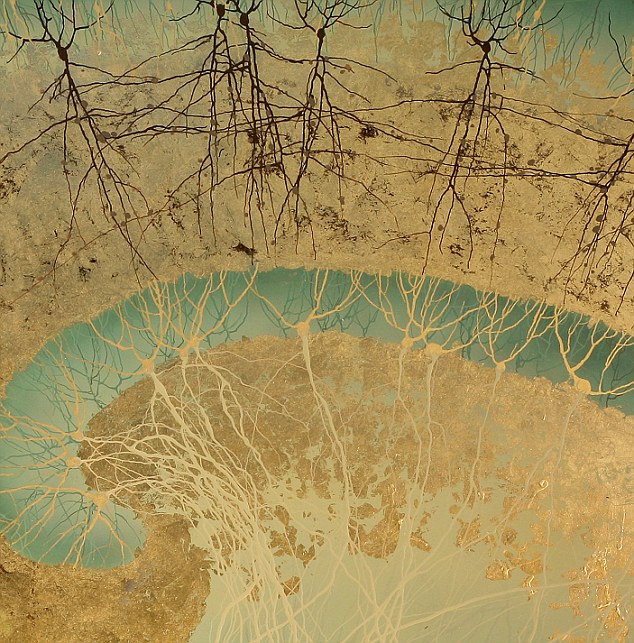
Brain cells

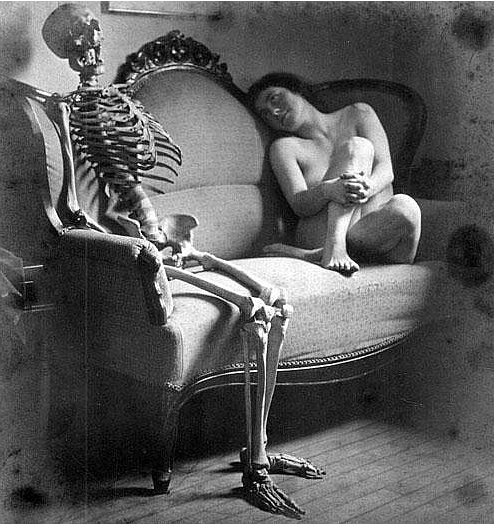
Death, posing

Kids will be kids

Patriotism

all for now


Leave a comment

Filed under cats, comedy relief, mp3, Music, pictures, silly

__ a t u r d a y


not

wikipedia sez:
Australopithecus sediba is a species of Australopithecus of the the early Pleistocene, identified based on fossil remains dated to about 2 million years ago. The species is known from at least four partial skeletons discovered in the Malapa Fossil Site at the Cradle of Humankind World Heritage Site in South Africa, one a juvenile male (MH1, the holotype), an adult female (MH2), at least one other adult and an 18-month-old infant. The MH1 and MH2 fossils were buried together, and have been dated to between 1.977 and 1.980 million years ago.
Over two hundred and twenty fragments from the species have been recovered to date. The partial skeletons were initially described in two papers in the journal Science by American and South African palaeo-anthropologist Lee R. Berger and colleagues as a newly discovered species of early human ancestor called Australopithecus sediba (“sediba” meaning “natural spring” or “well” in the Sotho language).

virtual skull:
http://www.futurity.org/top-stories/virtual-skull-3d-peek-at-hominid-brain/

in depth:
http://www.guardian.co.uk/science/2011/sep/08/australopithecus-sediba-ancestor-modern-humans


Leave a comment

Filed under animation, cats, pictures

Caturday Soup

fallen brother

Caturday yet?

"This picture is not here. Go on your way. This one is not of our concern."

cats in bars…

Bobcat- chased up cactus by a mountain lion- Arizona (click 4 big)

Not necessarily cats-

tornado

extreme strolling

many pictures (e.g. the one above) are big, click for full size

Joshua James- Benediction

https://moon-soup.com/wp-content/uploads/2011/06/13-benediction.mp3

Leave a comment

Filed under animated gif, animation, cats, pictures