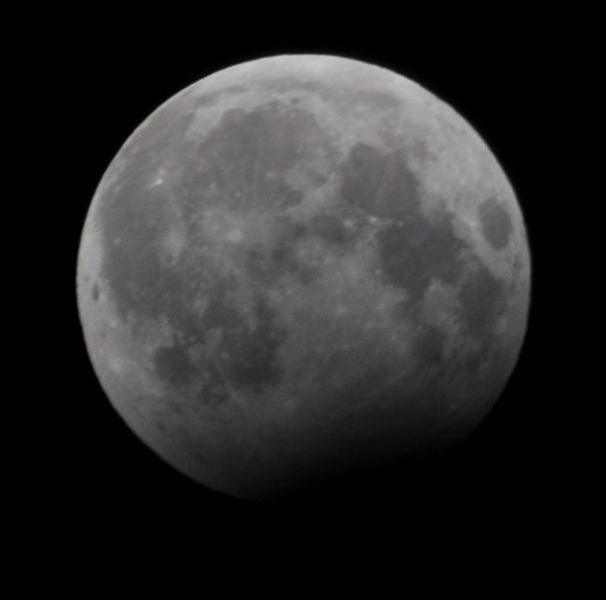
Back in the July 1943 issue of Sky & Telescope magazine, in a question and answer column written by Lawrence J. Lafleur, there was a reference made to the term “blue moon.”
Lafleur cited the unusual term from a copy of the 1937 edition of the now-defunct Maine Farmers’ Almanac (NOT to be confused with The Farmers’ Almanac of Lewiston, Maine, which is still in business).
On the almanac page for August 1937, the calendrical meaning for the term “blue moon” was given.
That explanation said that the moon “… usually comes full twelve times in a year, three times for each season.”
Occasionally, however, there will come a year when there are 13 full moons during a year, not the usual 12. The almanac explanation continued:
“This was considered a very unfortunate circumstance, especially by the monks who had charge of the calendar of thirteen months for that year, and it upset the regular arrangement of church festivals. For this reason thirteen came to be considered an unlucky number.”
And with that extra full moon, it also meant that one of the four seasons would contain four full moons instead of the usual three.
“There are seven Blue Moons in a cycle of nineteen years,” continued the almanac, ending on the comment that, “In olden times the almanac makers had much difficulty calculating the occurrence of the Blue Moon and this uncertainty gave rise to the expression ‘Once in a Blue Moon.'”
But while LaFleur quoted the almanac’s account, he made one very important omission: He never specified the date for this particular blue moon.
As it turned out, in 1937, it occurred on Aug. 21. That was the third full moon in the summer of 1937, a summer season that would see a total of four full moons.
Names were assigned to each moon in a season: For example, the first moon of summer was called the early summer moon, the second was the midsummer moon, and the last was called the late summer moon.
But when a particular season has four moons, the third was apparently called a blue moon so that the fourth and final one can continue to be called the late moon.
This time, on page 3 of the March 1946 issue, James Hugh Pruett wrote an article, “Once in a Blue Moon,” in which he made a reference to the term “blue moon” and referenced LaFleur’s article from 1943.
Pruett also wrote:
“Seven times in 19 years there were – and still are – 13 full moons in a year. This gives 11 months with one full moon each and one with two. This second in a month, so I interpret it, was called Blue Moon.”
How unfortunate that Pruett did not have a copy of that 1937 almanac at hand, or else he would have almost certainly noticed that his “two full moons in a single month assumption” would have been totally wrong.
For the blue moon date of Aug. 21 was most definitely not the second full moon that month!
Pruett’s 1946 explanation was, of course, the wrong interpretation and it might have been completely forgotten were it not for Deborah Byrd who used it on her popular National Public Radio program, “StarDate” on Jan. 31, 1980.
Over the next decade, this new, incorrect, definition started appearing in diverse places, such as the World Almanac for Kids and the board game Trivial Pursuit.
For me, this blue moon is also significant because it is my daughter’s birthday. If she was alive she would be 31 years old. Damn, I miss her. But I’m okay- not depressed, not confused… it’s only the second year since her death that I can actually look at a calendar and see the dates correctly and say, “Sunday is Erin’s birthday. It’s November 21st on Sunday.”
For 17 years I couldn’t read a calendar properly around this time of year. I couldn’t see the dates and know the days they fell on. I’ve turned a corner of some kind.
The full moon also means that next Friday, after Thanksgiving, will be Mad Liberation by Moonlight, on KBOO FM in Portland (or kboo.fm on the web). Late late Friday night, 1 am to 2 am.
She’s doing great. Gets around without apparent difficulty, seems to be very content. (click for full size)
***
The Skin Horse had lived longer in the nursery than any of the others. He was so old that his brown coat was bald in patches and showed the seams underneath, and most of the hairs in his tail had been pulled out to string bead necklaces. He was wise, for he had seen a long succession of mechanical toys arrive to boast and swagger, and by-and-by break their mainsprings and pass away, and he knew that they were only toys, and would never turn into anything else. For nursery magic is very strange and wonderful, and only those playthings that are old and wise and experienced like the Skin Horse understand all about it.
“What is REAL?” asked the Rabbit one day, when they were lying side by side near the nursery fender, before Nana came to tidy the room. “Does it mean having things that buzz inside you and a stick-out handle?”
“Real isn’t how you are made,” said the Skin Horse. “It’s a thing that happens to you. When a child loves you for a long, long time, not just to play with, but REALLY loves you, then you become Real.”
“Does it hurt?” asked the Rabbit.
“Sometimes,” said the Skin Horse, for he was always truthful. “When you are Real you don’t mind being hurt.”
“Does it happen all at once, like being wound up,” he asked, “or bit by bit?”
“It doesn’t happen all at once,” said the Skin Horse. “You become. It takes a long time. That’s why it doesn’t happen often to people who break easily, or have sharp edges, or who have to be carefully kept. Generally, by the time you are Real, most of your hair has been loved off, and your eyes drop out and you get loose in the joints and very shabby. But these things don’t matter at all, because once you are Real you can’t be ugly, except to people who don’t understand.”
“I suppose you are real?” said the Rabbit. And then he wished he had not said it, for he thought the Skin Horse might be sensitive.
Note: this blog will have it’s 100,00th visitor sometime this week. Maybe tomorrow.
"Yeah, right. You want your meds now? Or do we have to tie you down and give 'em to ya in the butt?"
Really. But that isn’t the point-
When I was about 11 I decided to memorize “Moby Dick” by Herman Melville. I had read the book “Faranheit 451” by Ray Bradbury. I was afraid no one would have the patience to preserve Moby Dick for the book-less future. I made it through the first chapter. Later on I remembered the first page- (goes like this):
Call me Ishmael. Some years ago – never mind how long precisely – having little or no money in my purse, and nothing particular to interest me on shore, I thought I would sail about a little and see the watery part of the world. It is a way I have of driving off the spleen, and regulating the circulation. Whenever I find myself growing grim about the mouth; whenever it is a damp, drizzly November in my soul; whenever I find myself involuntarily pausing before coffin warehouses, and bringing up the rear of every funeral I meet; and especially whenever my hypos get such an upper hand of me, that it requires a strong moral principle to prevent me from deliberately stepping into the street, and methodically knocking people’s hats off – then, I account it high time to get to sea as soon as I can. This is my substitute for pistol and ball. With a philosophical flourish Cato throws himself upon his sword; I quietly take to the ship. There is nothing surprising in this. If they but knew it, almost all men in their degree, some time or other, cherish very nearly the same feelings towards the ocean with me.
There now is your insular city of the Manhattoes, belted round by wharves as Indian isles by coral reefs – commerce surrounds it with her surf. Right and left, the streets take you waterward. Its extreme down-town is the battery, where that noble mole is washed by waves, and cooled by breezes, which a few hours previous were out of sight of land. Look at the crowds of water-gazers there.
Circumambulate the city of a dreamy Sabbath afternoon. Go from Corlears Hook to Coenties Slip, and from thence, by Whitehall northward. What do you see? –
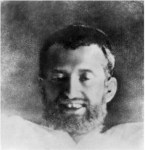
Herman Melville looked like this:
I personally like the movie with Gregory Peck as Ahab- better than the Patrick Stewart one, although I like Stewart as an actor.
It’s just a classic- you can’t compare it to Peck.
Reminds me of another great book, “A Long Way Gone”, a modern autobiography (by Ishmael Beah) of a boy soldier in Sierra Leone.
When he came here to the US he went to High School. This is an interaction he had with another student:
New York City, 1998
My high school friends have begun to suspect I haven’t told them the full story of my life.
“Why did you leave Sierra Leone?”
“Because there is a war.”
“Did you witness some of the fighting?”
“Everyone in the country did.”
“You mean you saw people running around with guns and shooting each other?”
“Yes, all the time.”
“Cool.”
I smile a little.
“You should tell us about it sometime.”
“Yes, sometime.”
Here is a short audio clip from the book read by Beah:
This is how Beah looks today:
From his article in the NY Times:
Sometimes I feel that living in New York City, having a good family and friends, and just being alive is a dream, that perhaps this second life of mine isn’t really happening. Whenever I speak at the United Nations, Unicef or elsewhere to raise awareness of the continual and rampant recruitment of children in wars around the world, I come to realize that I still do not fully understand how I could have possibly survived the civil war in my country, Sierra Leone.
Most of my friends, after meeting the woman whom I think of as my new mother, a Brooklyn-born white Jewish-American, assume that I was either adopted at a very young age or that my mother married an African man. They would never imagine that I was 17 when I came to live with her and that I had been a child soldier and participated in one of the most brutal wars in recent history.
In early 1993, when I was 12, I was separated from my family as the Sierra Leone civil war, which began two years earlier, came into my life. The rebel army, known as the Revolutionary United Front (R.U.F.), attacked my town in the southern part of the country. I ran away, along paths and roads that were littered with dead bodies, some mutilated in ways so horrible that looking at them left a permanent scar on my memory. I ran for days, weeks and months, and I couldn’t believe that the simple and precious world I had known, where nights were celebrated with storytelling and dancing and mornings greeted with the singing of birds and cock crows, was now a place where only guns spoke and sometimes it seemed even the sun hesitated to shine. After I discovered that my parents and two brothers had been killed, I felt even more lost and worthless in a world that had become pregnant with fear and suspicion as neighbor turned against neighbor and child against parent. Surviving each passing minute was nothing short of a miracle.
After almost a year of running, I, along with some friends I met along the way, arrived at an army base in the southeastern region. We thought we were now safe; little did we know what lay ahead.
1994: The First Battle
I have never been so afraid to go anywhere in my life as I was that first day. As we walked into the arms of the forest, tears began to form in my eyes, but I struggled to hide them and gripped my gun for comfort. We exhaled quietly, afraid that our own breathing could cause our deaths. The lieutenant led the line that I was in. He raised his fist in the air, and we stopped moving. Then he slowly brought it down, and we sat on one heel, our eyes surveying the forest. We began to move swiftly among the bushes until we came to the edge of a swamp, where we formed an ambush, aiming our guns into the bog. We lay flat on our stomachs and waited. I was lying next to my friend Josiah. At 11, he was even younger than I was. Musa, a friend my age, 13, was also nearby. I looked around to see if I could catch their eyes, but they were concentrating on the invisible target in the swamp. The tops of my eyes began to ache, and the pain slowly rose up to my head. My ears became warm, and tears were running down my cheeks, even though I wasn’t crying. The veins on my arms stood out, and I could feel them pulsating as if they had begun to breathe of their own accord. We waited in the quiet, as hunters do. The silence tormented me.
The short trees in the swamp began to shake as the rebels made their way through them. They weren’t yet visible, but the lieutenant had passed the word down through a whisper that was relayed like a row of falling dominos: “Fire on my command.” As we watched, a group of men dressed in civilian clothes emerged from under the tiny bushes. They waved their hands, and more fighters came out. Some were boys, as young as we were. They sat together in line, waving their hands, discussing a strategy. My lieutenant ordered a rocket-propelled grenade (RPG) to be fired, but the commander of the rebels heard it as it whooshed its way out of the forest. “Retreat!” he called out to his men, and the grenade’s blast got only a few rebels, whose split bodies flew in the air. The explosion was followed by an exchange of gunfire from both sides.
I lay there with my gun pointed in front of me, unable to shoot. My index finger became numb. I felt as if the forest had turned upside down and I was going to fall off, so I clutched the base of a tree with one hand. I couldn’t think, but I could hear the sounds of the guns far away in the distance and the cries of people dying in pain. A splash of blood hit my face. In my reverie I had opened my mouth a bit, so I tasted some of the blood. As I spat it out and wiped it off my face, I saw the soldier it had come from. Blood poured out of the bullet holes in him like water rushing through newly opened tributaries. His eyes were wide open; he still held his gun. My eyes were fixed on him when I heard Josiah screaming for his mother in the most painfully piercing voice I had ever heard. It vibrated inside my head to the point that I felt my brain had shaken loose from its anchor.
But that isn’t what I’m here to talk about today.
First up: Rainbows
I saw a brilliant rainbow on my way home from work the other day. It spanned the sky. I was able to snatch a few pictures from the commuter van in which I was riding. They don’t capture the the thing but I show them anyway. As per usual, click for full size (we aren’t chintzy about picture size at Moonsoup!).
rainbow leaving Salem
Now, some may call me cruel. I love cats. We have 5 cats in my home. Is it so wrong that I would want to dress them up for Halloween?
hats on cats
Self-explanatory. This is not a flattering picture of my wife.
She’s really much prettier. Terrible photo, my bad.
the kids grow- we grow old
Other pictures that have caught my fancy-
Bill Murray
Angel Falls, Venezuela
This is why
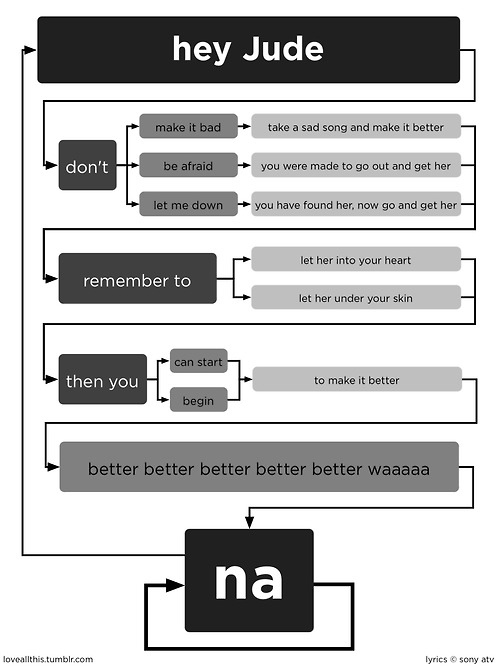
Hey Jude flowchart
Sky at Powell Butte
Let Grandma see that smile, deary (click it if it doesn’t animate)…
"Good morning, default food-bearing large thing."
denied
Lemur Meditation
Really cool zodiacal picture from ESO
And if you want to see more amazing pictures from ESO go here.
no comment
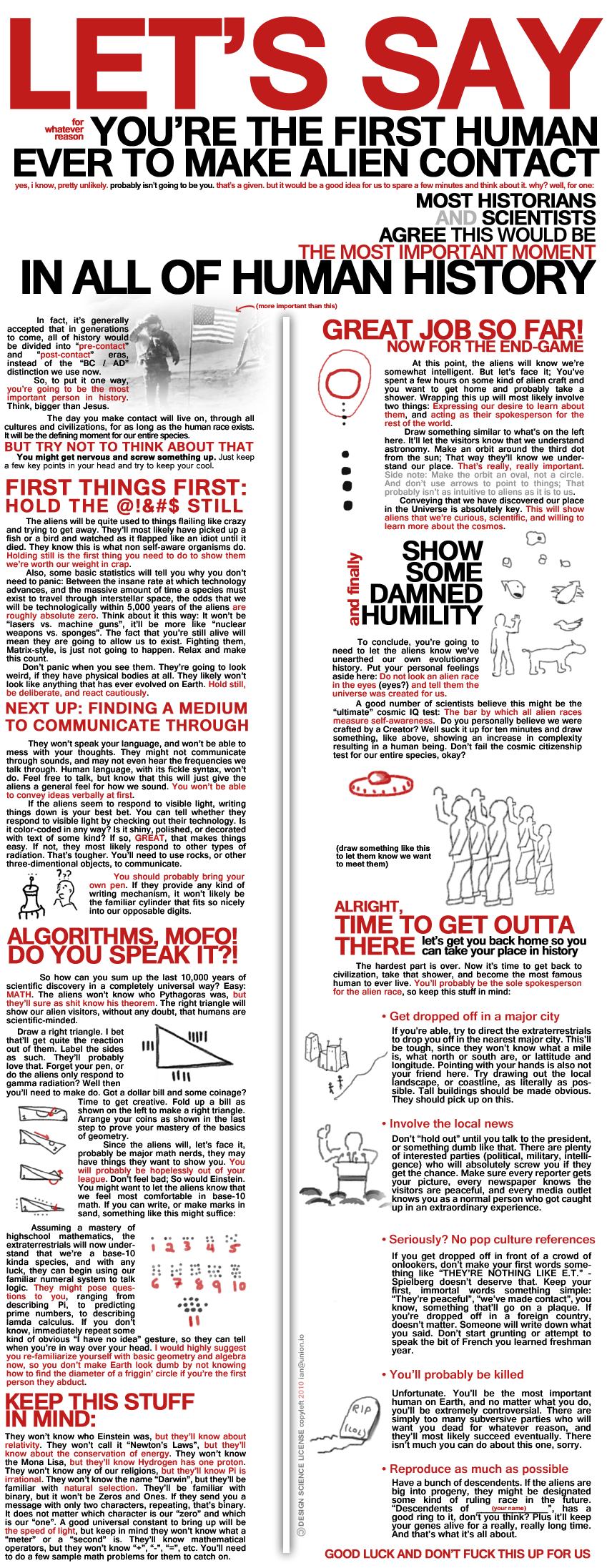
infographic
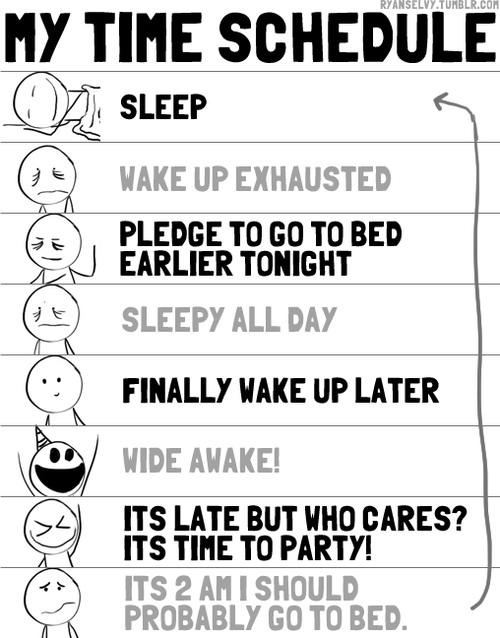
mmmm... ahhh... oh, crap- time to wake up
Halloweeny
zoo babies
More cutenesses:
maybe not so cute, perhaps grotesque…
…okay, back to cute
again, not cute has slipped in
I remember seeing this cat…
Music break-
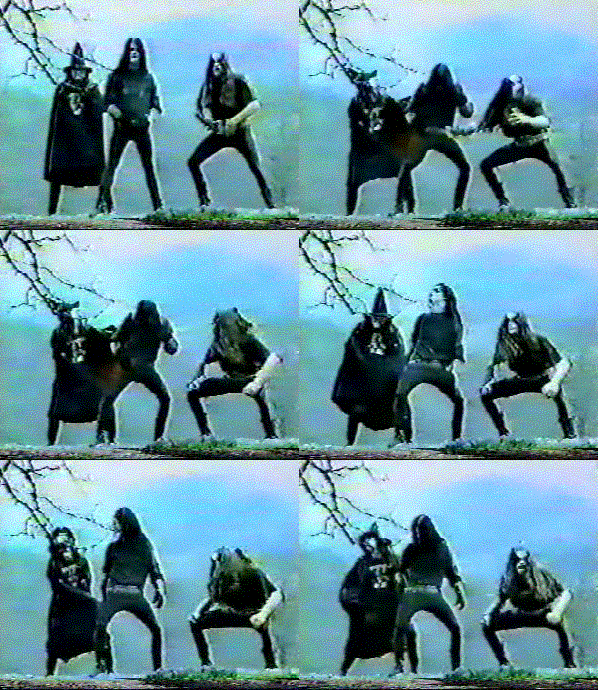
Click on the barbarian if he doesn’t animate. Also the ring of hands.
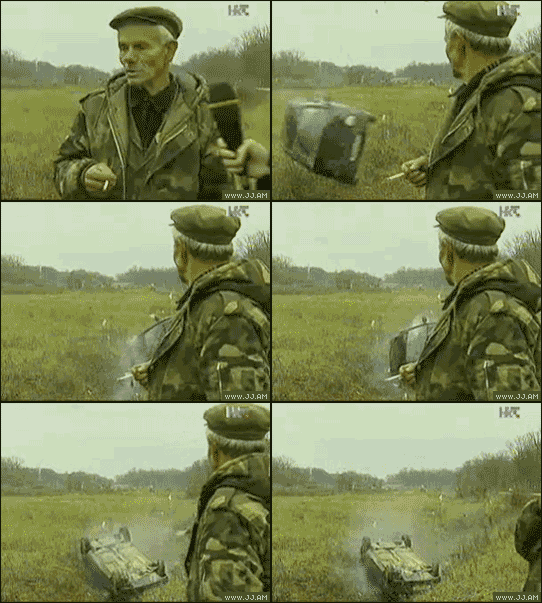
I don’t know why this happens sometimes.
The one below is also supposed to animate. Click if it doesn’t.
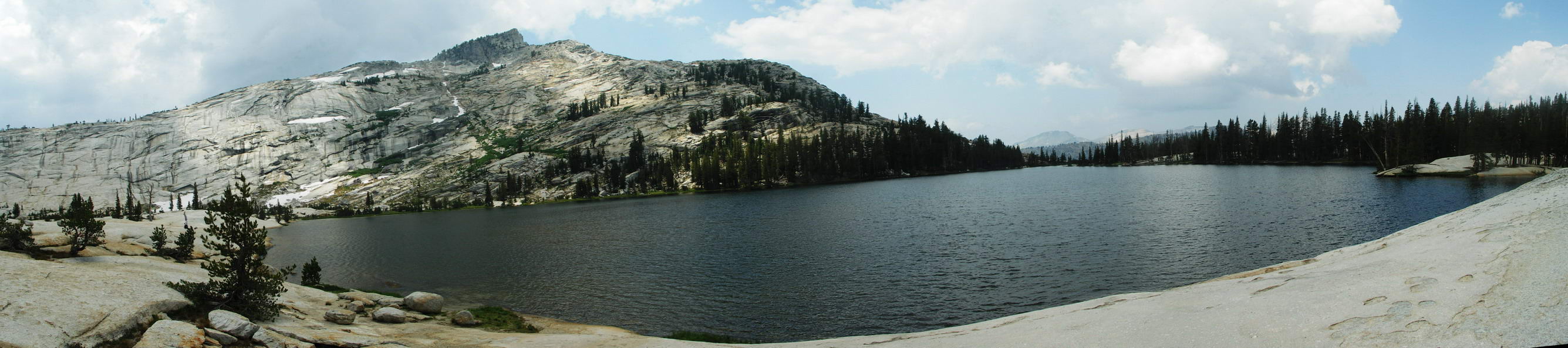
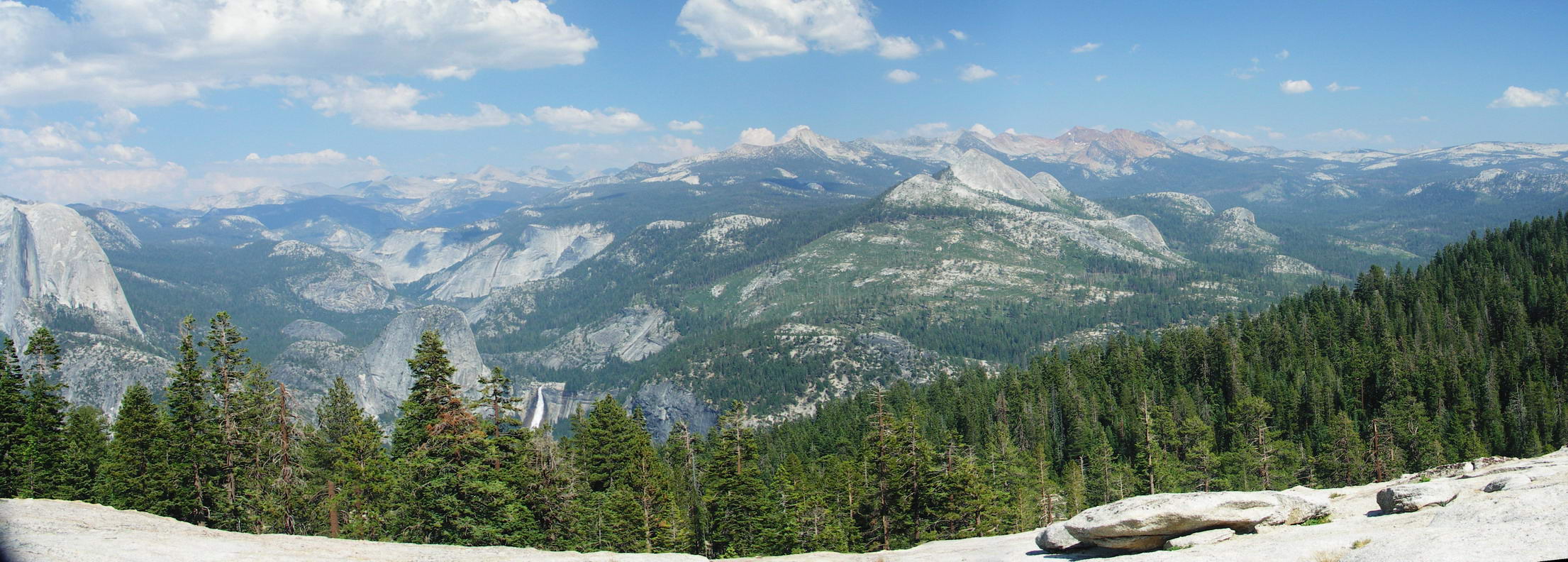
stitched panorama
Alright. I want to talk to you about something. I have had a whole page dedicated to Roger Ramjet cartoons for quite a while. It’s not like it’s easy to come by these vintage, 1960s shows. I’ve even put them in order. So far I have had zero views. I’m beginning to think I’m wasting upload space. (Speaking of “space”, that’s where I moved the cartoons.)
So, I have a poll. I expect to get about as much response to the poll as I have from Roger Ramjet. But here goes. Vote!
Cute white bats
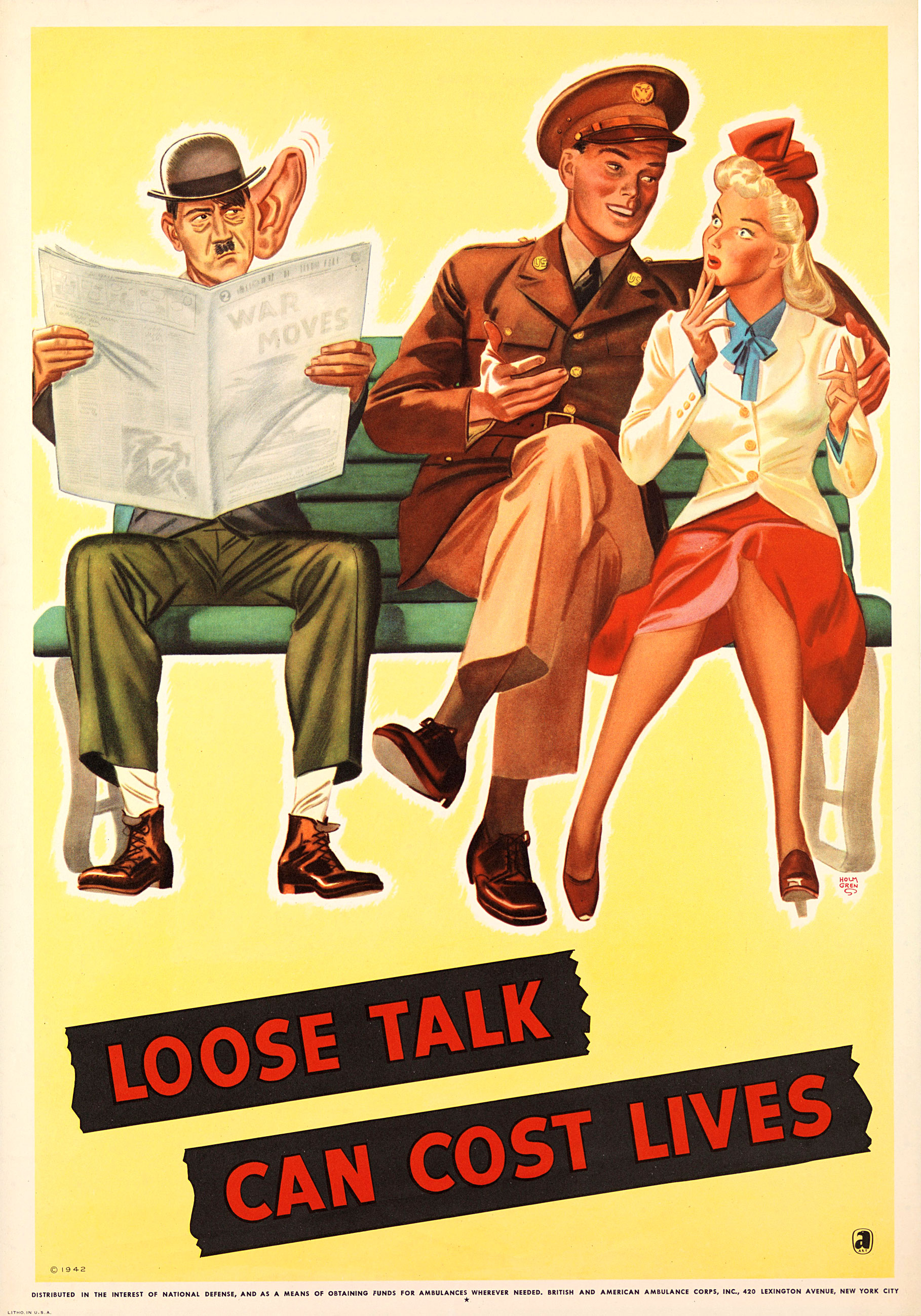
Loose Talk-
Seriously now…
Free e-books for download (legal, beyond copyright):
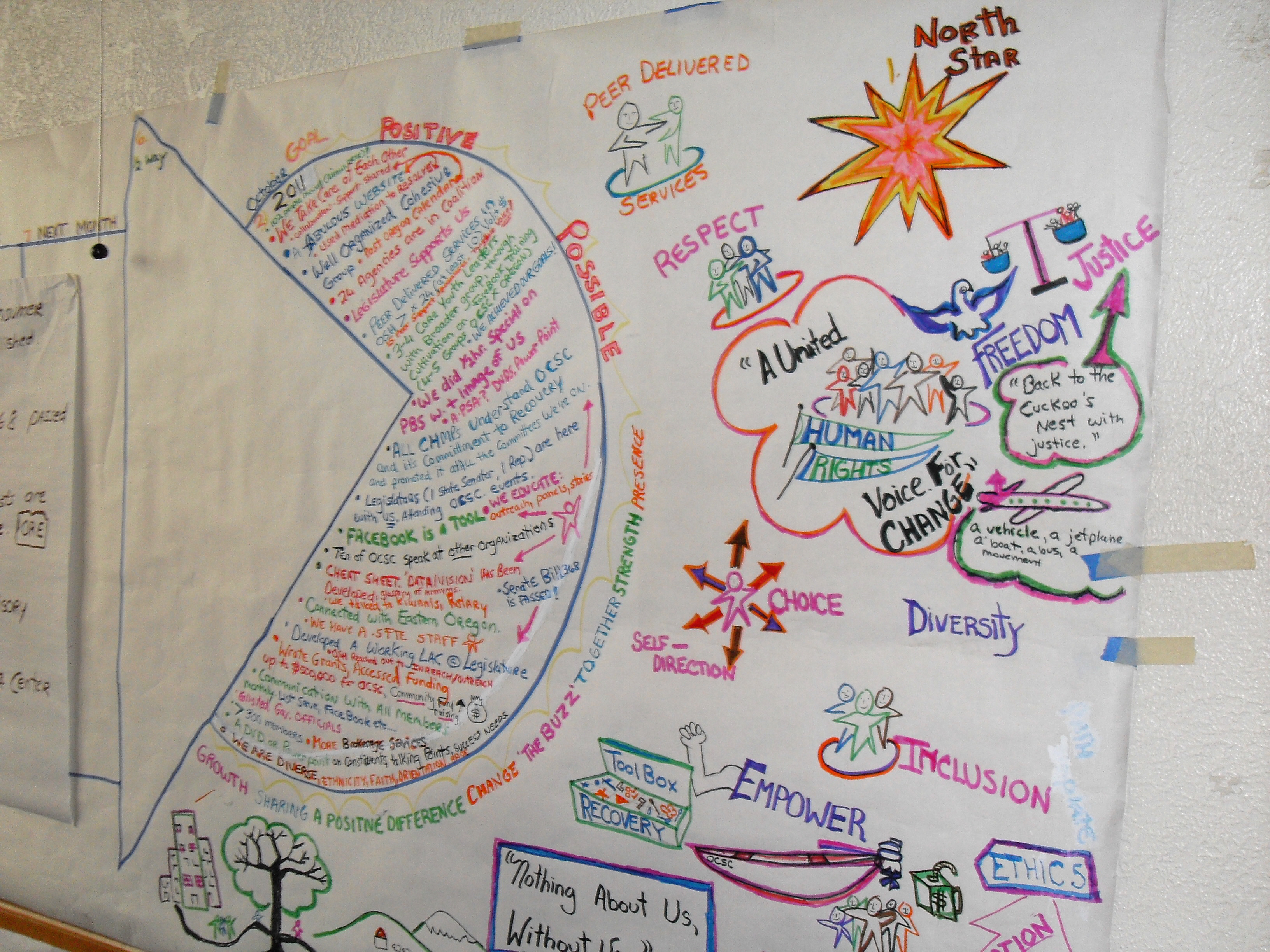
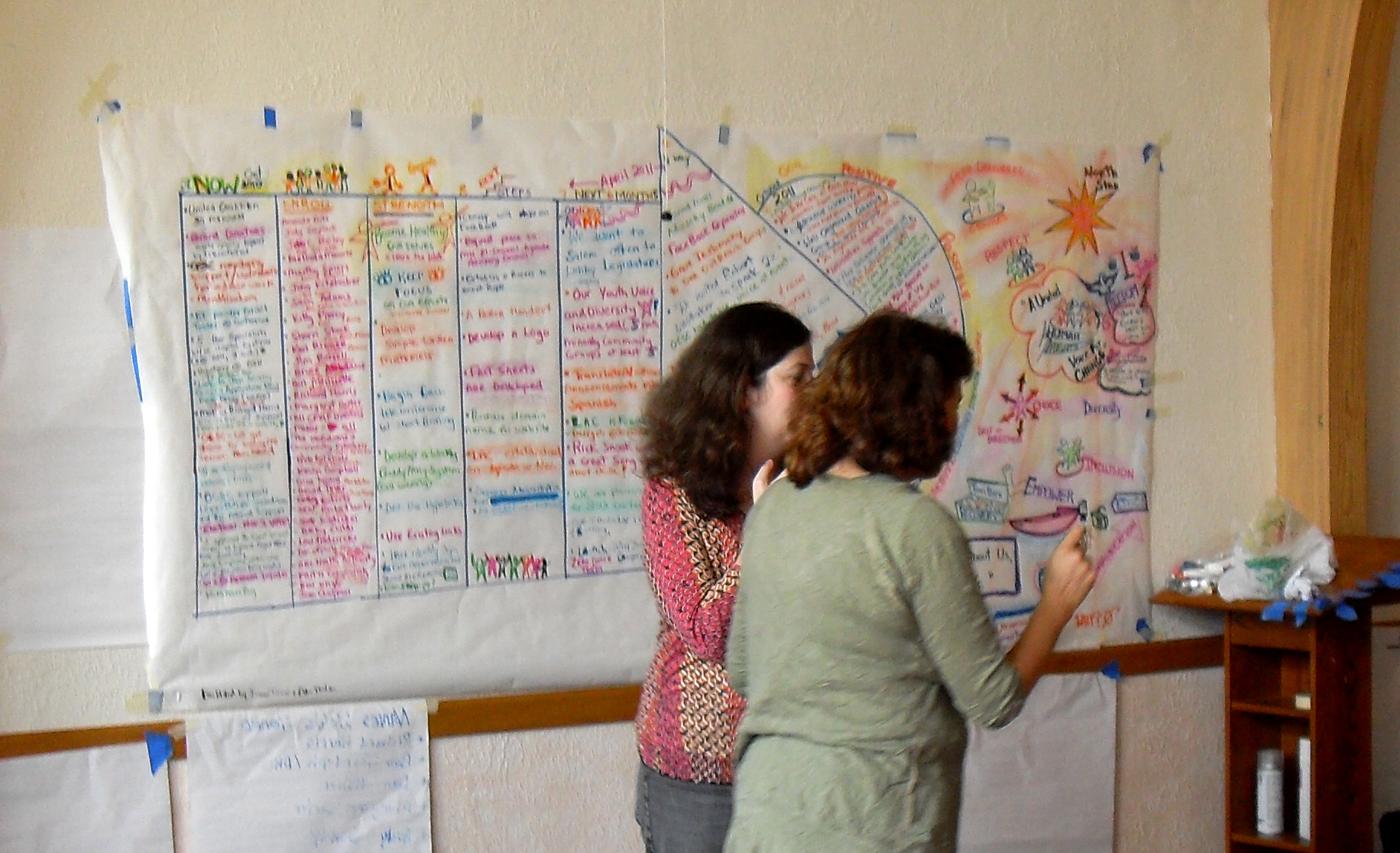
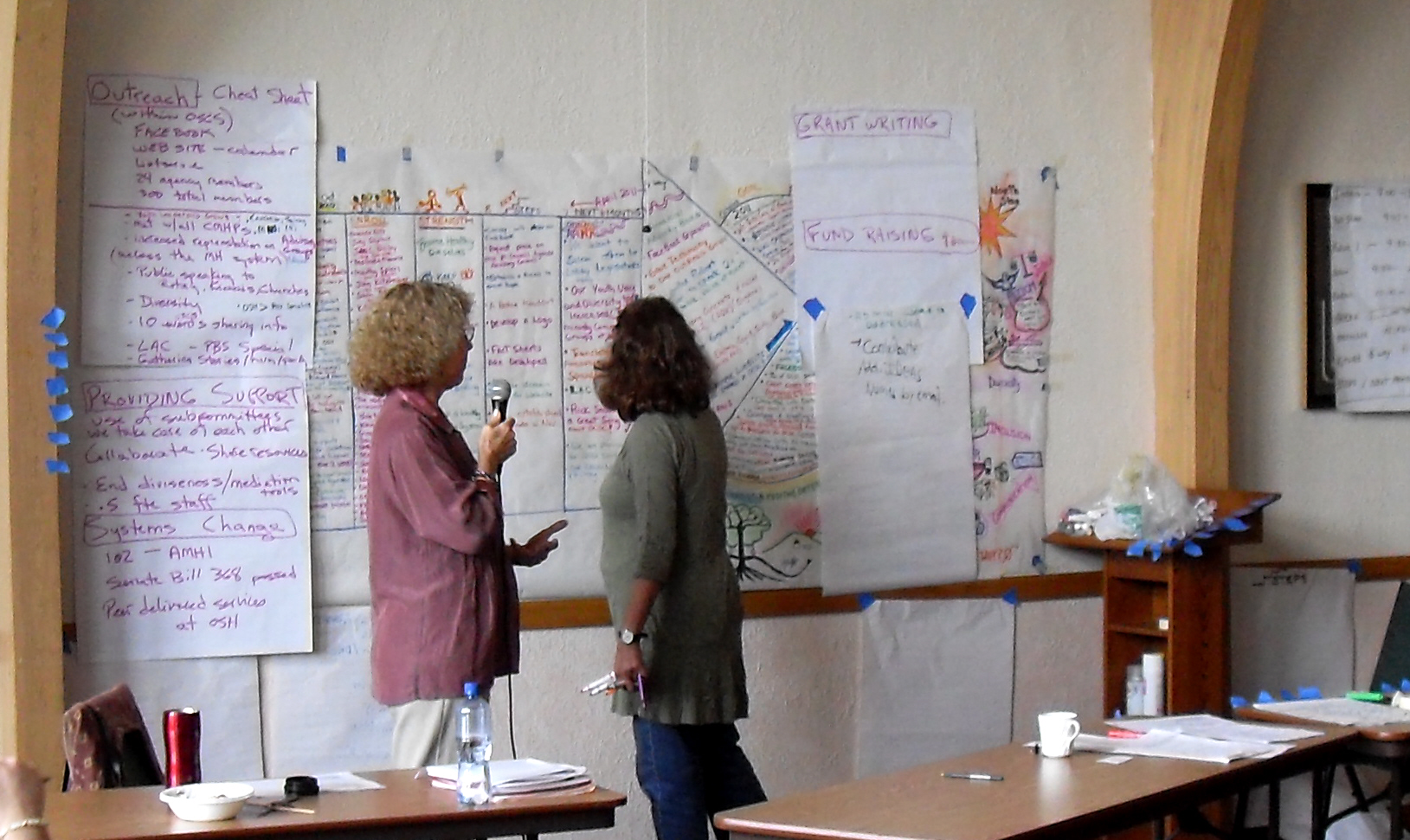
The Oregon Consumer/ Survivor Coalition had it’s Strategic Planning Retreat last week. In attendance were approximately 40 individuals representing a number of consumer operated organizations and individual members. I’ll do a more involved post soon enough but I wanted to get my pictures from the retreat up while I’m thinking of it.
Also, there will be no MLBM radio show this month. We have been preempted by a Halloween Special on KBOO. Next time, then.
The meeting room before the meeting- notice that it's dark outside.
Deb and Diane prepare to facilitate a PATH plan...
This is what it looked like about halfway through the morning.
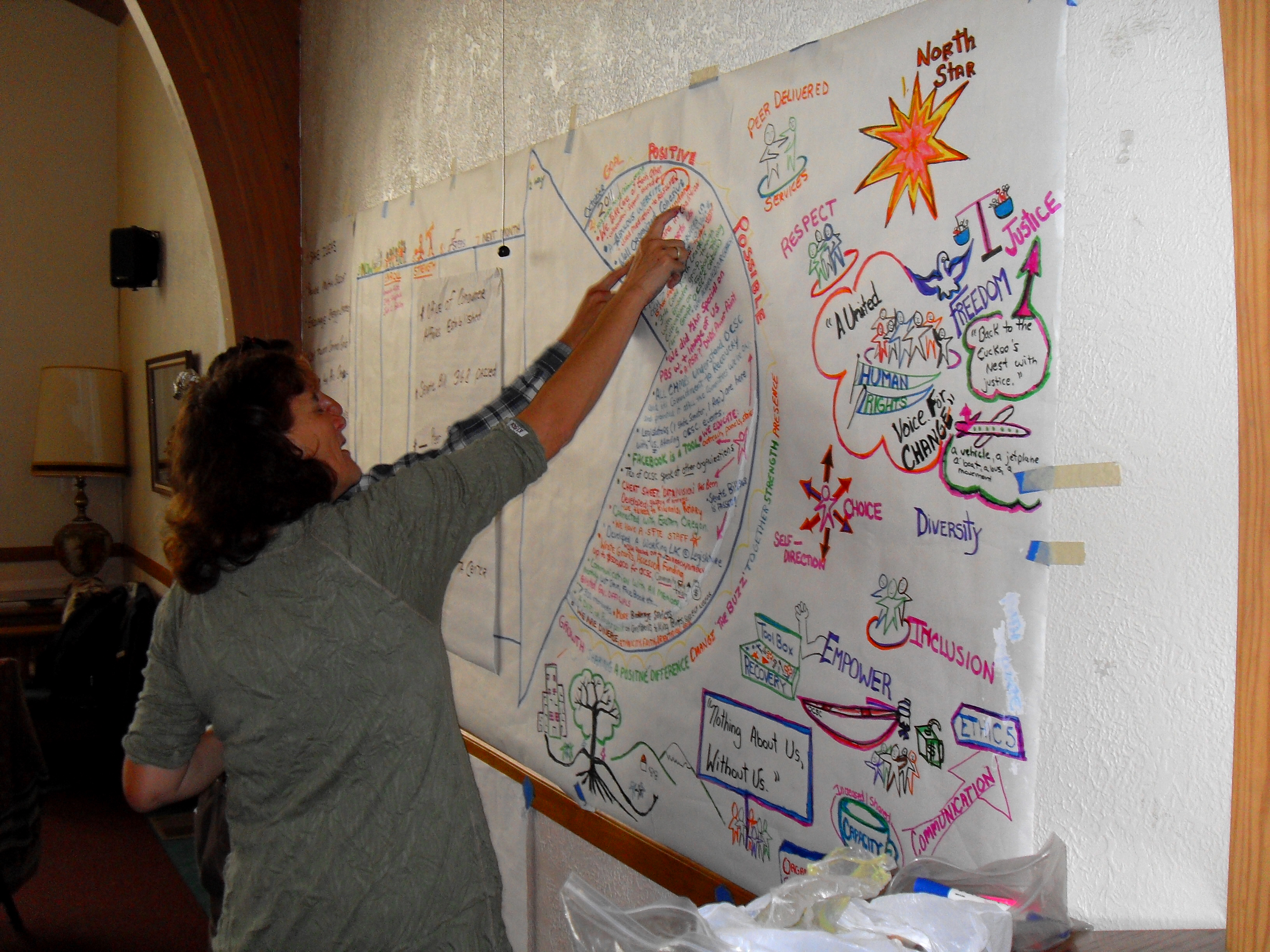
Deb worked hard to keep up with the thoughts and ideas generated by the group.
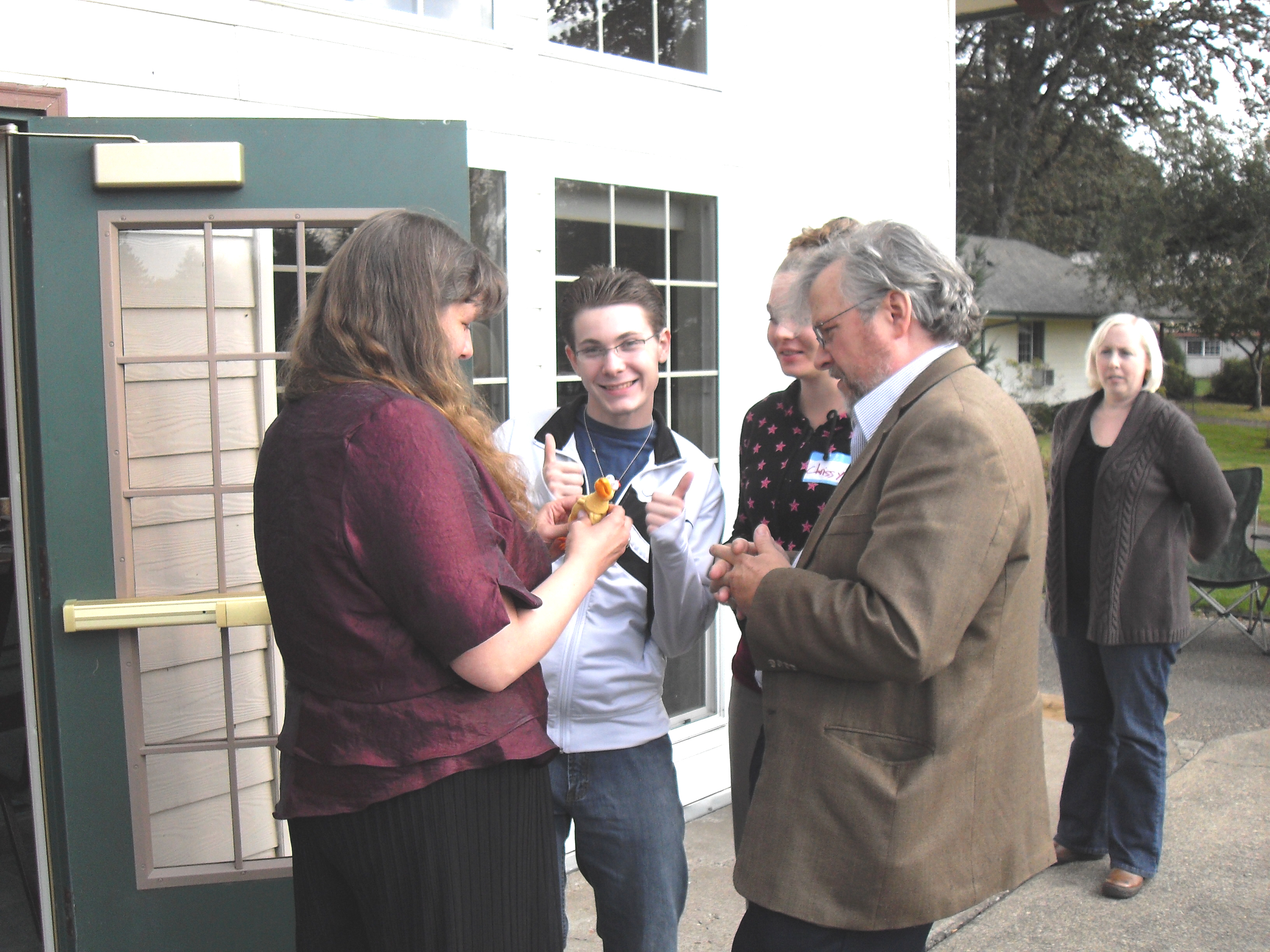
Animated discussion about chickens and the delusion of normal-
Amy and Deb- and this is my best shot of the completed plan. The others were even worse.
Now there sits a man with an open mind. You can feel the draft from here. Groucho Marx
As a State employee I have the perk of getting tomorrow off without pay (part of the Furlough Day program to cut budget deficits). I decided to take today off as well, using a vacation day, to make a 4 day weekend.
Yay!
Anyway, I have lots of stuff to do over the weekend- more than I could do in 2 days. We have a guest arriving from out of town- a long-term guest- and we’re turning part of the garage into a bedroom. There is still much to do and she arrives in a week.
Today I’ll just share some pictures, maybe another thing or two.
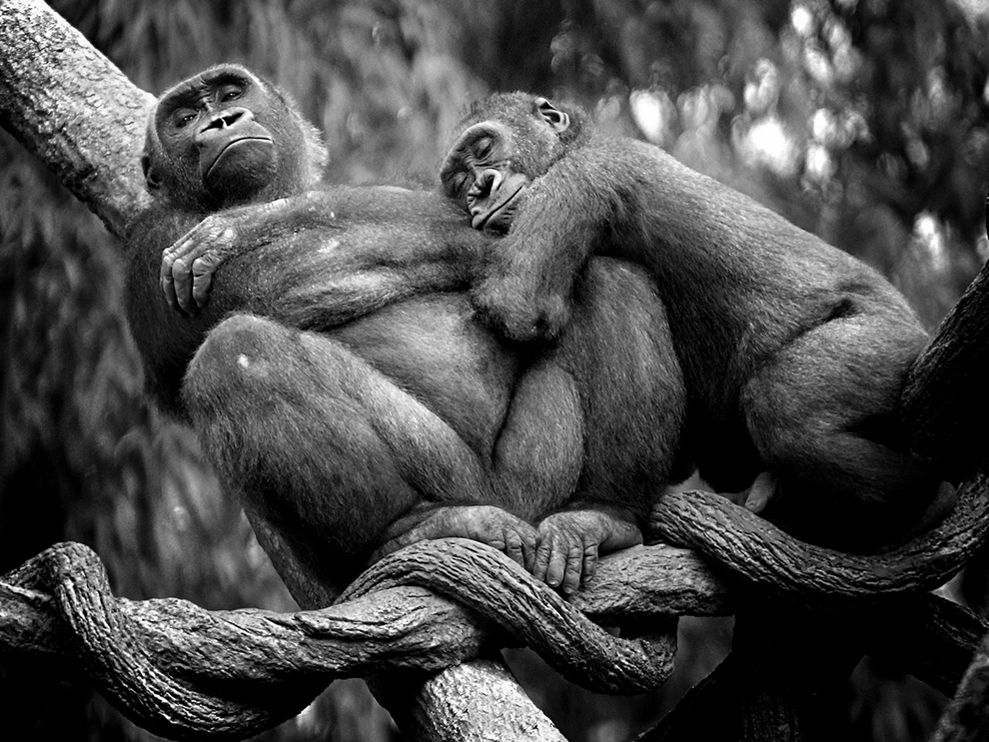
The pictures below are from National Geographic, they are free desktop images. You can find these and more at this place. Click for full size then right click to save.
This one makes me think the little guy is saying, “What in the heck has happened to my neighborhood?!”
The oldest evidence of a fungus that turns ants into zombies and makes them stagger to their death has been uncovered by scientists.
The gruesome hallmark of the fungus’s handiwork was found on the leaves of plants that grew in Messel, near Darmstadt in Germany, 48m years ago.
The finding shows that parasitic fungi evolved the ability to control the creatures they infect in the distant past, even before the rise of the Himalayas.
The fungus, which is alive and well in forests today, latches on to carpenter ants as they cross the forest floor before returning to their nests high in the canopy.
The fungus grows inside the ants and releases chemicals that affect their behaviour. Some ants leave the colony and wander off to find fresh leaves on their own, while others fall from their tree-top havens on to leaves nearer the ground.
The final stage of the parasitic death sentence is the most macabre. In their last hours, infected ants move towards the underside of the leaf they are on and lock their mandibles in a “death grip” around the central vein, immobilising themselves and locking the fungus in position.
“This can happen en masse. You can find whole graveyards with 20 or 30 ants in a square metre. Each time, they are on leaves that are a particular height off the ground and they have bitten into the main vein before dying,” said David Hughes at Harvard University.
The fungus cannot grow high up in the canopy or on the forest floor, but infected ants often die on leaves midway between the two, where the humidity and temperature suit the fungus. Once an ant has died, the fungus sprouts from its head and produces a pod of spores, which are fired at night on to the forest floor, where they can infect other ants.
Scientists led by Hughes noticed that ants infected with the fungus,Ophiocordyceps unilateralis, bit into leaves with so much force they left a lasting mark. The holes created by their mandibles either side of the leaf vein are bordered by scar tissue, producing an unmistakable dumb-bell shape.
Writing in the journal, Biology Letters, the team describes how they trawled a database of images that document leaf damage by insects, fungi and other organisms. They found one image of a 48m-year-old leaf from the Messel pit that showed the distinctive “death grip” markings of an infected ant. At the time, the Messel area was thick with subtropical forests.
“We now present it as the first example of behavioural manipulation and probably the only one which can be found. In most cases, this kind of control is spectacular but ephemeral and doesn’t leave any permanent trace,” Hughes said.
“The question now is, what are the triggers that push a parasite not just to kill its host, but to take over its brain and muscles and then kill it.”
He added: “Of all the parasitic organisms, only a few have evolved this trick of manipulating their host’s behaviour.
Why go to the bother? Why are there not more of them?”
Scientists are not clear how the fungus controls the ants it infects, but know that the parasite releases alkaloid chemicals into the insect as it consumes it from the inside.
On the subject of Zombies, Zombie nuts!
Saddest photo ever-
Unrelated nonsense-
At the place I work they are hiring a new Superintendent. I know some people who having worked in this place for many years are on the verge of quitting. I just hope this guy lives up to the hype. I can hardly stand to lose more people who support the good things. So far, all the news is good. We meet him next week.
is a word used to describe a confused or disorderly mass or collection
a “mess” or a “jumble”
a type of mutton soup
of the Discordians. The Sacred Chao is a symbol used by Discordians to illustrate the interrelatedness of order and disorder. It resembles a Yin-Yang symbol
YOU decide.
Mostly pictures I’ve run across. Some other stuff. Click for big- as per usual.
Click when you want bigger size- some of these are biiig. Click sound thingys where they appear. Click click click. This is just for fun. Obviously.
Abandoned- top > down
Sub Base
In a bay on the northern shores of the Black Sea, the Soviet army maintained an elaborate submarine base throughout much of the Cold War. Now a museum, this abandoned submarine base is in the town of Balaklava, Ukraine. One picture.
Detroit
Yves Marchand and Romain Meffre explored some of Detroit’s dying landmarks for their photo series The Ruins of Detroit. As the industrial revolution came to a close and race riots crippled a once bustling city, many buildings throughout Detroit fell into disrepair and eventual abandonment. Three pictures.
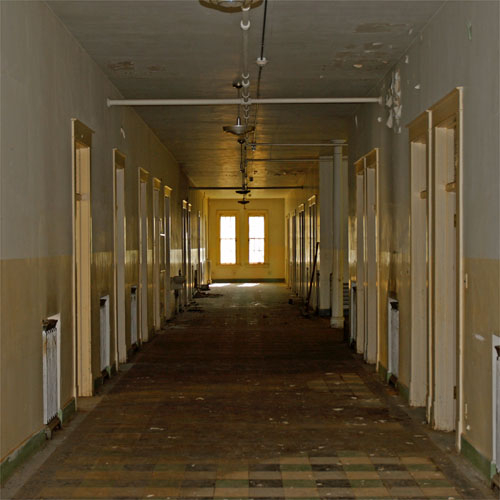
Beelitz Hospital
It is rare that a ruin like this should decay so gracefully and without the marks of vandalism. The Beelitz Military Hospital in Berlin is in great condition for a ruin, perhaps for the history it represents. In 1916, a young Lance Corporal Adolph Hitler recuperated here after taking a bullet in the Battle of the Somme during the First World War. One Picture
NYC City Hall Subway Station
Under the busy streets of New York City rests a perfectly preserved monument to that city’s transportation history. The City Hall Subway Station was first constructed over 100 years ago, a part of New York’s earliest underground transport network. It was shut down in 1945, where it lay dormant and untouched until a one night public exhibition on the station’s centennial. Two pictures- present and past.
Ryugyung Hotel
The Ryugyung Hotel in Pyongyang, North Korea is one of the 20th century’s greatest architectural failures. Initially designed as a beacon of progress and power, the Ryugyung Hotel was unable to sustain construction when the North Korean government ran out of money. Ground was broken in 1987, construction was halted in 1992. One picture.
Pripyat
Pripyat, Ukraine. In a span of sixteen years, the population of Pripyat grew from zero to 50,000 and back down to zero, following the greatest nuclear power disaster in human history. Pripyat was billed as an atomic city, built into the forests south of Kiev in 1970 to house the families of workers at the Chernobyl nuclear facility. One picture (but you can gopogle many others).
Waterpark
A massive, indoor water park was planned for the children of Russia, one towering many stories high with a myriad of rides within. Before this park could be completed, the developer went belly up and couldn’t afford its completion. One picture.
Sea Forts
During the Second World War, the British Royal Navy constructed a series of sea forts for an advanced line of defense against inbound air raids and potential sea invasions from the Axis powers. The Maunsell Sea Forts still stand today, abandoned a few meters above the North Sea. One, however, remains inhabited, now a nation of its own referred to as the Principality of Sealand. These sea forts are a favorite of maritime explorers. One picture.










 From his article in the NY Times:




























































































































































 moon soup